


Telemedicine has rapidly evolved over the past few years, transforming the way healthcare is delivered. The COVID-19 pandemic accelerated the adoption of telemedicine, highlighting its potential to improve access to care, enhance patient outcomes, and reduce healthcare costs. Here, we explore the latest advancements in telemedicine and their implications for the future of healthcare.
Enhanced Accessibility and Convenience
Remote Consultations
o Virtual Visits: Patients can consult with healthcare providers from the comfort of their homes, reducing the need for travel and waiting times.
o Specialist Access: Telemedicine enables patients in remote or underserved areas to access specialist care that might otherwise be unavailable.
Continuous Monitoring
o Wearable Devices: Smartwatches, fitness trackers, and other wearable devices allow continuous monitoring of vital signs and health metrics.
o Remote Patient Monitoring: Devices that track blood pressure, glucose levels, and other health parameters can transmit data to healthcare providers for real-time monitoring and intervention.
Improved Patient Outcomes
Chronic Disease Management
o Telehealth Programs: Telemedicine programs for chronic disease management, such as diabetes, hypertension, and heart disease, can lead to better health outcomes through regular monitoring and timely interventions.
o Patient Education: Virtual education sessions and resources empower patients to manage their conditions more effectively.
Mental Health Services
o Teletherapy: Access to mental health services through telemedicine has expanded, providing convenient and confidential support for patients dealing with anxiety, depression, and other mental health conditions.
o Crisis Intervention: Telehealth platforms can offer immediate support and crisis intervention for patients in need.
Cost Reduction and Efficiency
Reduced Healthcare Costs
o Lower Overhead Costs: Telemedicine reduces the need for physical infrastructure, leading to lower operational costs for healthcare providers.
o Decreased Hospitalizations: Timely interventions through remote monitoring can prevent complications and reduce hospital admissions.
Efficient Resource Utilization
o Optimized Scheduling: Virtual visits can be more efficiently scheduled, reducing downtime and maximizing the use of healthcare resources.
o Resource Allocation: Telemedicine allows for better allocation of healthcare resources, ensuring that in-person visits are reserved for patients who need them most.
Technological Advancements
Artificial Intelligence (AI) and Machine Learning
o Diagnostic Tools: AI-powered diagnostic tools can analyze medical images, lab results, and patient data to assist in diagnosis and treatment planning.
o Predictive Analytics: Machine learning algorithms can predict patient outcomes, identify at-risk populations, and inform preventive care strategies.
Integration with Electronic Health Records (EHR)
o Seamless Data Flow: Integration of telemedicine platforms with EHR systems ensures that patient data is accurately recorded and easily accessible to healthcare providers.
o Improved Care Coordination: Integrated systems facilitate better communication and coordination among healthcare providers, enhancing patient care.
Challenges and Future Directions
Regulatory and Reimbursement Issues
o Licensing and Credentialing: Navigating the regulatory landscape for telemedicine can be complex, particularly for cross-state or international consultations.
o Reimbursement Policies: Ensuring adequate reimbursement for telemedicine services remains a challenge, although progress is being made.
Technology Barriers
o Access to Technology: Ensuring that patients have access to the necessary technology and internet connectivity is crucial for the widespread adoption of telemedicine.
o Cybersecurity: Protecting patient data and maintaining privacy and security in telemedicine platforms is a top priority.
Conclusion
Advancements in telemedicine are revolutionizing healthcare delivery, making it more accessible, efficient, and patient-centered. As technology continues to evolve, telemedicine will play an increasingly vital role in improving healthcare outcomes and reducing costs. By embracing these advancements and addressing the associated challenges, healthcare providers can enhance the quality of care and meet the needs of their patients in innovative ways.
Tags:
#Telemedicine, #HealthcareInnovation, #RemoteMonitoring, #ChronicDiseaseManagement, #MentalHealth, #ArtificialIntelligence,
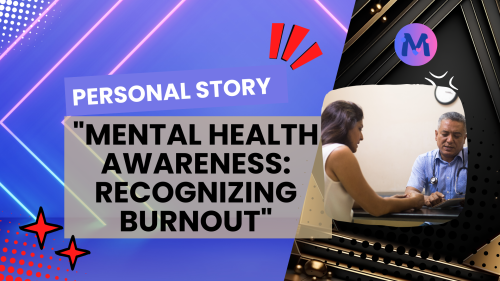
Burnout is a significant concern among healthcare professionals, characterized by emotional exhaustion, depersonalization, and a sense of reduced personal accomplishment. It can negatively impact both personal well-being and patient care. Recognizing the signs of burnout and taking proactive steps to address it is essential for maintaining health and job satisfaction.
Signs of Burnout
Emotional Exhaustion
Chronic Fatigue: Feeling physically and emotionally drained, even after rest.
Irritability: Increased irritability and impatience with colleagues and patients.
Cynicism: Developing a negative or detached attitude towards work.
Depersonalization
Reduced Empathy: Feeling disconnected from patients and colleagues.
Isolation: Withdrawing from social interactions and support networks.
Impersonal Treatment: Treating patients and coworkers as objects rather than individuals.
Reduced Personal Accomplishment
Low Motivation: Decreased enthusiasm for work and difficulty in finding meaning in daily tasks.
Poor Performance: Decline in productivity and work quality.
Self-Doubt: Increased feelings of inadequacy and self-doubt.
Causes of Burnout
· Workload: High demands, long hours, and lack of control over the work environment.
· Emotional Strain: Frequent exposure to trauma, suffering, and difficult patient interactions.
· Lack of Support: Inadequate support from colleagues, supervisors, and organizational structures.
· Work-Life Imbalance: Difficulty balancing professional responsibilities with personal life.
Strategies to Prevent and Address Burnout
Self-Care Practices
o Physical Activity: Regular exercise to reduce stress and improve physical health.
o Healthy Diet: Balanced nutrition to support overall well-being.
o Adequate Sleep: Prioritize sleep to ensure rest and recovery.
Mindfulness and Relaxation Techniques
o Meditation: Practice mindfulness meditation to increase awareness and reduce stress.
o Deep Breathing: Use deep breathing exercises to calm the mind and body.
o Relaxation Techniques: Incorporate yoga, tai chi, or other relaxation practices into your routine.
Professional Support
o Counseling: Seek professional counseling or therapy to address emotional challenges.
o Support Groups: Join support groups for healthcare professionals to share experiences and strategies.
o Mentorship: Find a mentor who can provide guidance, support, and encouragement.
Workplace Strategies
o Workload Management: Advocate for reasonable workloads and adequate staffing levels.
o Professional Development: Engage in continuous learning and professional growth opportunities.
o Organizational Support: Encourage institutions to provide resources and programs to support employee well-being.
Work-Life Balance
o Set Boundaries: Establish clear boundaries between work and personal life.
o Time Management: Use effective time management strategies to prioritize tasks and reduce stress.
o Personal Time: Dedicate time for hobbies, relaxation, and spending with family and friends.
Conclusion
Recognizing and addressing burnout is critical for healthcare professionals to maintain their well-being and provide high-quality patient care. By understanding the signs of burnout and implementing self-care practices, seeking professional support, and advocating for supportive workplace environments, we can mitigate the impact of burnout and promote a healthier, more fulfilling professional life.
Tags:
#Burnout, #MentalHealth, #HealthcareProfessionals, #SelfCare, #WorkLifeBalance, #Support,

As healthcare professionals, we are often tasked with managing high levels of stress and maintaining mental clarity in demanding environments. Meditation is a powerful tool that can significantly enhance our mental well-being and overall health. This ancient practice offers numerous benefits that can improve our professional performance and personal lives.
1. Reduces Stress
Meditation is well-known for its stress-reducing benefits. By focusing the mind and promoting relaxation, meditation helps lower cortisol levels, the hormone associated with stress. This reduction in stress can lead to:
· Improved mood and emotional stability
· Enhanced ability to handle stressful situations
· Decreased symptoms of anxiety and depression
2. Enhances Emotional Health
Regular meditation practice can lead to a more positive outlook on life. It helps cultivate a sense of inner peace and emotional resilience, which are crucial for healthcare providers. Benefits include:
· Increased self-awareness and self-acceptance
· Greater emotional regulation
· Improved empathy and compassion towards others
3. Improves Focus and Concentration
In the fast-paced world of healthcare, maintaining focus and concentration is essential. Meditation trains the mind to stay present and attentive, which can enhance professional performance. Research shows that meditation can:
· Increase attention span and cognitive function
· Enhance the ability to concentrate on tasks
· Reduce the tendency for mind-wandering
4. Promotes Physical Health
The benefits of meditation extend beyond mental health to physical well-being. Regular meditation has been linked to several positive health outcomes, including:
· Lower blood pressure
· Improved sleep quality
· Enhanced immune function
5. Encourages a Healthy Lifestyle
Meditation often promotes greater awareness of the mind-body connection, encouraging healthier lifestyle choices. Practitioners may find themselves more motivated to:
· Exercise regularly
· Eat a balanced diet
· Avoid harmful behaviors such as smoking or excessive alcohol consumption
Getting Started with Meditation
For healthcare professionals new to meditation, starting with a simple practice can be beneficial. Here are some tips to begin:
1. Find a Quiet Space: Choose a quiet, comfortable space where you can sit or lie down without interruptions.
2. Set a Time Limit: Start with short sessions, such as 5-10 minutes, and gradually increase the duration as you become more comfortable.
3. Focus on Your Breath: Close your eyes and focus on your breathing. Notice the sensation of each inhale and exhale.
4. Observe Your Thoughts: When your mind wanders, gently bring your focus back to your breath without judgment.
5. Use Guided Meditations: There are numerous apps and online resources that offer guided meditations tailored to beginners.
Conclusion
Incorporating meditation into your daily routine can profoundly impact your mental and physical health. As healthcare professionals, we owe it to ourselves and our patients to maintain our well-being. By practicing meditation, we can enhance our resilience, improve our focus, and lead healthier, more balanced lives.
Tags:
#Meditation #MentalHealth #HealthcareProfessionals #StressReduction #EmotionalWellbeing #Focus #Concentration #HealthyLiving

Healthcare policy changes can have a profound impact on both healthcare professionals and patients. Staying informed about these changes is crucial for adapting practices, ensuring compliance, and optimizing patient care. Here’s an overview of recent healthcare policy changes and their implications for healthcare providers.
1. Telehealth Expansion
The COVID-19 pandemic accelerated the adoption of telehealth services, leading to significant policy changes to support this shift:
· Reimbursement: Many insurers, including Medicare and Medicaid, have expanded coverage for telehealth services. This means healthcare providers can offer virtual visits and receive reimbursement at similar rates to in-person visits.
· Licensing Flexibility: Temporary measures allow healthcare providers to offer telehealth services across state lines, enhancing access to care for patients in underserved areas.
· Long-Term Adoption: Policymakers are considering making some of these temporary measures permanent, reflecting the growing importance of telehealth.
Implications:
· Increased Access: Patients, especially those in rural or underserved areas, can access healthcare services more easily.
· Continuity of Care: Providers can maintain continuity of care through virtual visits, improving patient outcomes.
· Adaptation: Healthcare professionals need to adapt to telehealth platforms and ensure they meet regulatory and privacy requirements.
2. Value-Based Care Models
There is a continued shift from fee-for-service to value-based care models, which focus on quality and outcomes rather than the volume of services provided:
· Accountable Care Organizations (ACOs): Groups of healthcare providers work together to deliver coordinated care, aiming to improve quality and reduce costs.
· Bundled Payments: Providers receive a single payment for all services related to a specific treatment or condition, encouraging efficient and high-quality care.
Implications:
· Quality Improvement: Providers are incentivized to focus on preventive care and chronic disease management.
· Collaboration: Increased collaboration among healthcare teams to achieve better patient outcomes.
· Data Management: Emphasis on data collection and analysis to track performance and outcomes.
3. Prescription Drug Pricing
Rising prescription drug costs have led to policy changes aimed at increasing transparency and affordability:
· Price Transparency: Regulations now require pharmaceutical companies to disclose drug prices in advertisements and provide justification for significant price increases.
· Importation: Policies allowing the importation of lower-cost prescription drugs from other countries are being explored.
· Generic and Biosimilar Competition: Efforts to promote the use of generic and biosimilar drugs to reduce costs.
Implications:
· Cost Savings: Patients may experience reduced out-of-pocket costs for medications.
· Access: Increased access to affordable medications can improve adherence and outcomes.
· Education: Healthcare providers need to stay informed about drug pricing and options to guide patients effectively.
4. Mental Health and Substance Use Disorders
Policy changes are addressing the growing need for mental health and substance use disorder services:
· Parity Laws: Enhanced enforcement of mental health parity laws to ensure mental health services are covered equally to physical health services.
· Opioid Crisis Response: Increased funding for opioid addiction treatment and prevention programs, including expanded access to medication-assisted treatment (MAT).
· Workforce Development: Initiatives to expand the mental health workforce through training and education programs.
Implications:
· Comprehensive Care: Improved access to mental health and substance use disorder services.
· Integrated Services: Encouragement of integrated care models that address both physical and mental health needs.
· Training: Healthcare professionals may need additional training to effectively manage mental health and substance use disorders.
Conclusion
Healthcare policy changes are continually shaping the landscape of healthcare delivery. By staying informed and adapting to these changes, healthcare professionals can enhance patient care, improve outcomes, and navigate the evolving healthcare environment effectively. Understanding the implications of these policies allows providers to advocate for their patients and ensure compliance with new regulations.
Tags:
#HealthcarePolicy, #Telehealth, #ValueBasedCare, #PrescriptionDrugPricing, #MentalHealth, #SubstanceUseDisorders, #HealthcareProfessionals, #PolicyChanges, #PatientCare