

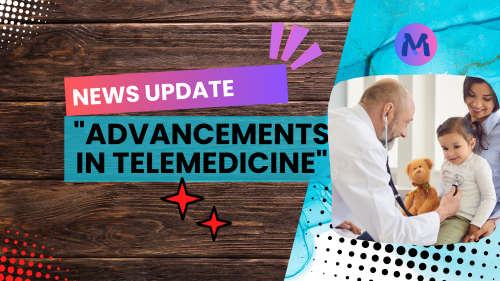
Telemedicine has rapidly evolved over the past few years, transforming the way healthcare is delivered. The COVID-19 pandemic accelerated the adoption of telemedicine, highlighting its potential to improve access to care, enhance patient outcomes, and reduce healthcare costs. Here, we explore the latest advancements in telemedicine and their implications for the future of healthcare.
Enhanced Accessibility and Convenience
Remote Consultations
o Virtual Visits: Patients can consult with healthcare providers from the comfort of their homes, reducing the need for travel and waiting times.
o Specialist Access: Telemedicine enables patients in remote or underserved areas to access specialist care that might otherwise be unavailable.
Continuous Monitoring
o Wearable Devices: Smartwatches, fitness trackers, and other wearable devices allow continuous monitoring of vital signs and health metrics.
o Remote Patient Monitoring: Devices that track blood pressure, glucose levels, and other health parameters can transmit data to healthcare providers for real-time monitoring and intervention.
Improved Patient Outcomes
Chronic Disease Management
o Telehealth Programs: Telemedicine programs for chronic disease management, such as diabetes, hypertension, and heart disease, can lead to better health outcomes through regular monitoring and timely interventions.
o Patient Education: Virtual education sessions and resources empower patients to manage their conditions more effectively.
Mental Health Services
o Teletherapy: Access to mental health services through telemedicine has expanded, providing convenient and confidential support for patients dealing with anxiety, depression, and other mental health conditions.
o Crisis Intervention: Telehealth platforms can offer immediate support and crisis intervention for patients in need.
Cost Reduction and Efficiency
Reduced Healthcare Costs
o Lower Overhead Costs: Telemedicine reduces the need for physical infrastructure, leading to lower operational costs for healthcare providers.
o Decreased Hospitalizations: Timely interventions through remote monitoring can prevent complications and reduce hospital admissions.
Efficient Resource Utilization
o Optimized Scheduling: Virtual visits can be more efficiently scheduled, reducing downtime and maximizing the use of healthcare resources.
o Resource Allocation: Telemedicine allows for better allocation of healthcare resources, ensuring that in-person visits are reserved for patients who need them most.
Technological Advancements
Artificial Intelligence (AI) and Machine Learning
o Diagnostic Tools: AI-powered diagnostic tools can analyze medical images, lab results, and patient data to assist in diagnosis and treatment planning.
o Predictive Analytics: Machine learning algorithms can predict patient outcomes, identify at-risk populations, and inform preventive care strategies.
Integration with Electronic Health Records (EHR)
o Seamless Data Flow: Integration of telemedicine platforms with EHR systems ensures that patient data is accurately recorded and easily accessible to healthcare providers.
o Improved Care Coordination: Integrated systems facilitate better communication and coordination among healthcare providers, enhancing patient care.
Challenges and Future Directions
Regulatory and Reimbursement Issues
o Licensing and Credentialing: Navigating the regulatory landscape for telemedicine can be complex, particularly for cross-state or international consultations.
o Reimbursement Policies: Ensuring adequate reimbursement for telemedicine services remains a challenge, although progress is being made.
Technology Barriers
o Access to Technology: Ensuring that patients have access to the necessary technology and internet connectivity is crucial for the widespread adoption of telemedicine.
o Cybersecurity: Protecting patient data and maintaining privacy and security in telemedicine platforms is a top priority.
Conclusion
Advancements in telemedicine are revolutionizing healthcare delivery, making it more accessible, efficient, and patient-centered. As technology continues to evolve, telemedicine will play an increasingly vital role in improving healthcare outcomes and reducing costs. By embracing these advancements and addressing the associated challenges, healthcare providers can enhance the quality of care and meet the needs of their patients in innovative ways.
Tags:
#Telemedicine, #HealthcareInnovation, #RemoteMonitoring, #ChronicDiseaseManagement, #MentalHealth, #ArtificialIntelligence,
Diabetes management has significantly evolved over the years, with new treatments and technologies continually emerging to improve patient outcomes. As healthcare professionals, staying abreast of these advancements is crucial for providing the best care to our patients. Here, we highlight some of the most promising developments in diabetes treatment.
1. Continuous Glucose Monitoring (CGM)
Continuous glucose monitoring systems have revolutionized diabetes management by providing real-time data on glucose levels. Unlike traditional finger-stick tests, CGM systems use a sensor inserted under the skin to measure glucose levels continuously. Key benefits include:
· Improved Glycemic Control: Patients can make informed decisions about diet, exercise, and medication.
· Reduced Hypoglycemia Risk: Real-time alerts for high and low glucose levels help prevent dangerous episodes.
· Data-Driven Insights: Comprehensive glucose data allows for more personalized treatment plans.
2. Automated Insulin Delivery Systems
Automated insulin delivery (AID) systems, also known as artificial pancreas systems, integrate CGM technology with insulin pumps. These systems automatically adjust insulin delivery based on real-time glucose readings. Benefits include:
· Tighter Glucose Control: Improved HbA1c levels with fewer hypoglycemic episodes.
· Ease of Use: Simplifies diabetes management, reducing the burden on patients.
· Enhanced Quality of Life: Allows patients to focus more on their daily lives rather than constant glucose monitoring.
3. SGLT2 Inhibitors
Sodium-glucose co-transporter-2 (SGLT2) inhibitors are a class of medications that help lower blood sugar by preventing glucose reabsorption in the kidneys. Recent studies have shown additional benefits, including:
· Cardiovascular Protection: Reduced risk of major cardiovascular events in patients with type 2 diabetes.
· Renal Protection: Slowed progression of kidney disease.
· Weight Loss: Positive effects on weight management, an important aspect of diabetes care.
4. GLP-1 Receptor Agonists
Glucagon-like peptide-1 (GLP-1) receptor agonists are another class of drugs that have shown promise in diabetes treatment. They work by stimulating insulin secretion, inhibiting glucagon release, and slowing gastric emptying. Benefits include:
· Weight Management: Aid in weight loss, which can improve glycemic control.
· Cardiovascular Benefits: Reduced risk of cardiovascular events.
· Convenient Dosing: Available in weekly injection forms, improving patient adherence.
5. Advances in Stem Cell Therapy
Stem cell therapy is an exciting frontier in diabetes treatment, particularly for type 1 diabetes. Researchers are exploring the potential of stem cells to regenerate insulin-producing beta cells in the pancreas. While still in experimental stages, early trials have shown promise:
· Potential Cure: Could provide a long-term solution by restoring normal insulin production.
· Reduced Dependence on Insulin: May reduce or eliminate the need for insulin injections.
6. Telemedicine and Digital Health Tools
The COVID-19 pandemic accelerated the adoption of telemedicine, which has proven beneficial for diabetes management. Digital health tools, including mobile apps and telehealth platforms, offer:
· Remote Monitoring: Allows healthcare providers to track patients' glucose levels and adjust treatment plans remotely.
· Increased Access: Patients in remote areas can receive expert care without the need for travel.
· Enhanced Patient Engagement: Interactive tools and educational resources empower patients to manage their condition more effectively.
Conclusion
The landscape of diabetes treatment is continually evolving, offering new hope and improved outcomes for patients. As healthcare providers, it is essential to stay informed about these advancements to deliver the best possible care. By leveraging the latest technologies and treatment options, we can enhance the quality of life for those living with diabetes.
#Diabetes #DiabetesTreatment #HealthcareProfessionals #ContinuousGlucoseMonitoring #InsulinDelivery #SGLT2Inhibitors #GLP1ReceptorAgonists #StemCellTherapy #Telemedicine

Introduction: Telemedicine, once a futuristic concept, has become an integral part of modern healthcare, especially in the wake of the COVID-19 pandemic. This revolutionary approach allows patients to receive medical care remotely, breaking down barriers to access and transforming the patient-doctor relationship. Let's explore how telemedicine is reshaping healthcare delivery and what this means for the future.
What is Telemedicine? Telemedicine involves the use of telecommunications technology to provide healthcare services remotely. This can range from video consultations and remote monitoring to digital diagnostics and electronic prescriptions. By leveraging technology, telemedicine enables healthcare providers to reach patients wherever they are, offering convenience, efficiency, and improved access to care.
The Boom During the Pandemic: The COVID-19 pandemic accelerated the adoption of telemedicine as lockdowns and social distancing measures made traditional in-person visits challenging. Telehealth platforms saw a surge in usage, with millions of patients and providers making the switch. This rapid shift demonstrated the feasibility and benefits of remote healthcare, setting the stage for its continued growth.
Benefits of Telemedicine:
- Accessibility: Telemedicine eliminates geographical barriers, providing access to healthcare for patients in remote or underserved areas.
- Convenience: Patients can consult with their doctors from the comfort of their homes, reducing the need for travel and waiting times.
- Efficiency: Remote consultations can streamline the healthcare process, allowing for quicker diagnosis and treatment.
- Cost-Effectiveness: Telemedicine can reduce healthcare costs by minimizing hospital visits and utilizing resources more efficiently.
- Improved Monitoring: Remote monitoring devices allow for continuous patient observation, improving the management of chronic conditions.
Challenges and Considerations: While telemedicine offers numerous advantages, it also presents challenges. Ensuring patient privacy and data security is paramount. Additionally, not all medical conditions can be effectively addressed through telemedicine, and some patients may lack access to the necessary technology or internet connectivity. Healthcare providers must also adapt to new workflows and technologies.
The Role of Technology: Advancements in technology are central to the success of telemedicine. High-speed internet, smartphones, and wearable health devices are crucial components. Innovations like AI-driven diagnostic tools and virtual reality for remote physical therapy are expanding the possibilities of telehealth, making it more comprehensive and effective.
Regulatory and Insurance Landscape: The regulatory environment is evolving to accommodate telemedicine. Many countries have introduced or modified laws to facilitate telehealth services, ensuring they are safe and effective. Insurance companies are also increasingly covering telemedicine consultations, recognizing their value in modern healthcare delivery.
Expert Insights: Dr. Emily Thompson, a telemedicine specialist, shares her thoughts: "Telemedicine is a game-changer in healthcare. It not only makes care more accessible but also enhances the patient experience. We are witnessing the beginning of a new era in medical care."
Patient Stories: Telemedicine has had a profound impact on patients' lives. Take John, a diabetic patient living in a rural area. With limited access to healthcare, managing his condition was a challenge. Through telemedicine, John can now regularly consult with his endocrinologist and monitor his blood sugar levels remotely, significantly improving his health outcomes.
The Future of Telemedicine: The future of telemedicine looks promising, with continued advancements in technology and increased acceptance by both patients and providers. We can expect more sophisticated telehealth platforms, integration with electronic health records (EHRs), and enhanced capabilities for remote diagnostics and treatment. Telemedicine is set to become a standard component of healthcare, complementing traditional in-person visits and expanding the reach of medical services.
Conclusion: Telemedicine is revolutionizing healthcare delivery, making it more accessible, efficient, and patient-centered. As technology continues to evolve, so too will the capabilities of telemedicine, offering new opportunities to improve health outcomes and transform the patient experience. Embracing this change is essential for the future of healthcare, ensuring that quality care is within reach for everyone, regardless of location.
Further Reading:
- Telemedicine: Opportunities and Developments in Member States - World Health Organization
- Telehealth: A quarter-trillion-dollar post-COVID-19 reality? - McKinsey & Company
- The Impact of Telemedicine on Healthcare - National Center for Biotechnology Information (NCBI)
- Telemedicine for chronic disease management: Using technology to transform care - Health Affairs
- Artificial Intelligence in Telemedicine: A Case Study - National Center for Biotechnology Information (NCBI)