


Resilience is the ability to adapt and thrive in the face of adversity, stress, and challenges. For healthcare professionals, building resilience is essential to maintain well-being, provide high-quality care, and prevent burnout. Here, we explore strategies to build resilience and enhance the capacity to cope with the demands of the healthcare profession.
Understanding Resilience
Definition of Resilience
Adaptability: The ability to adjust to changing circumstances and recover from setbacks.
Mental Strength: The capacity to maintain focus, determination, and a positive outlook despite challenges.
Importance of Resilience in Healthcare
Enhanced Patient Care: Resilient healthcare professionals are better equipped to handle the pressures of their job and provide compassionate, effective care.
Burnout Prevention: Building resilience helps prevent burnout by reducing stress and promoting emotional well-being.
Professional Fulfillment: Resilient individuals are more likely to find satisfaction and meaning in their work.
Strategies to Build Resilience
Self-Care Practices
Physical Health: Prioritize regular exercise, a balanced diet, and adequate sleep to support overall well-being.
Mindfulness and Relaxation: Practice mindfulness techniques, meditation, and deep breathing exercises to reduce stress and enhance mental clarity.
Hobbies and Interests: Engage in activities outside of work that bring joy and relaxation, such as reading, gardening, or creative arts.
Professional Support
Mentorship: Seek out mentors who can provide guidance, support, and encouragement in your professional journey.
Peer Support: Build a network of supportive colleagues with whom you can share experiences, challenges, and coping strategies.
Counseling: Consider professional counseling or therapy to address emotional challenges and build coping skills.
Positive Mindset
Optimism: Cultivate a positive outlook by focusing on strengths, successes, and opportunities for growth.
Gratitude: Practice gratitude by regularly reflecting on and appreciating the positive aspects of your life and work.
Self-Compassion: Be kind to yourself, acknowledging that it’s okay to make mistakes and that self-care is essential.
Effective Time Management
Prioritization: Focus on the most important tasks and delegate when possible to manage workload effectively.
Breaks and Downtime: Schedule regular breaks and downtime to rest and recharge throughout the day.
Work-Life Balance: Establish clear boundaries between work and personal life to ensure time for relaxation and personal activities.
Stress Management Techniques
Problem-Solving: Develop problem-solving skills to address challenges proactively and reduce stress.
Emotional Regulation: Practice techniques to manage emotions, such as deep breathing, visualization, and cognitive reframing.
Support Systems: Lean on friends, family, and support groups for emotional support and connection.
Continuous Learning and Professional Development
Skill Enhancement: Pursue opportunities for continuing education and skill development to stay current in your field.
Career Goals: Set and pursue career goals that align with your values and interests, fostering a sense of purpose and motivation.
Reflective Practice: Regularly reflect on your experiences, identifying lessons learned and areas for growth.
Conclusion
Building resilience is a continuous process that involves self-care, professional support, a positive mindset, effective time management, stress management techniques, and continuous learning. By incorporating these strategies into your daily life, you can enhance your ability to adapt to challenges, maintain well-being, and provide high-quality care to your patients. Remember, resilience is not about avoiding stress but about developing the capacity to thrive despite it.
Tags:
#Resilience, #HealthcareProfessionals, #SelfCare, #StressManagement, #PositiveMindset, #ProfessionalSupport,
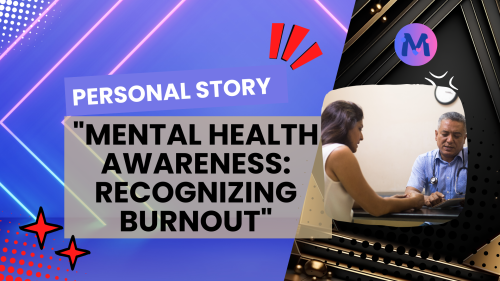
Burnout is a significant concern among healthcare professionals, characterized by emotional exhaustion, depersonalization, and a sense of reduced personal accomplishment. It can negatively impact both personal well-being and patient care. Recognizing the signs of burnout and taking proactive steps to address it is essential for maintaining health and job satisfaction.
Signs of Burnout
Emotional Exhaustion
Chronic Fatigue: Feeling physically and emotionally drained, even after rest.
Irritability: Increased irritability and impatience with colleagues and patients.
Cynicism: Developing a negative or detached attitude towards work.
Depersonalization
Reduced Empathy: Feeling disconnected from patients and colleagues.
Isolation: Withdrawing from social interactions and support networks.
Impersonal Treatment: Treating patients and coworkers as objects rather than individuals.
Reduced Personal Accomplishment
Low Motivation: Decreased enthusiasm for work and difficulty in finding meaning in daily tasks.
Poor Performance: Decline in productivity and work quality.
Self-Doubt: Increased feelings of inadequacy and self-doubt.
Causes of Burnout
· Workload: High demands, long hours, and lack of control over the work environment.
· Emotional Strain: Frequent exposure to trauma, suffering, and difficult patient interactions.
· Lack of Support: Inadequate support from colleagues, supervisors, and organizational structures.
· Work-Life Imbalance: Difficulty balancing professional responsibilities with personal life.
Strategies to Prevent and Address Burnout
Self-Care Practices
o Physical Activity: Regular exercise to reduce stress and improve physical health.
o Healthy Diet: Balanced nutrition to support overall well-being.
o Adequate Sleep: Prioritize sleep to ensure rest and recovery.
Mindfulness and Relaxation Techniques
o Meditation: Practice mindfulness meditation to increase awareness and reduce stress.
o Deep Breathing: Use deep breathing exercises to calm the mind and body.
o Relaxation Techniques: Incorporate yoga, tai chi, or other relaxation practices into your routine.
Professional Support
o Counseling: Seek professional counseling or therapy to address emotional challenges.
o Support Groups: Join support groups for healthcare professionals to share experiences and strategies.
o Mentorship: Find a mentor who can provide guidance, support, and encouragement.
Workplace Strategies
o Workload Management: Advocate for reasonable workloads and adequate staffing levels.
o Professional Development: Engage in continuous learning and professional growth opportunities.
o Organizational Support: Encourage institutions to provide resources and programs to support employee well-being.
Work-Life Balance
o Set Boundaries: Establish clear boundaries between work and personal life.
o Time Management: Use effective time management strategies to prioritize tasks and reduce stress.
o Personal Time: Dedicate time for hobbies, relaxation, and spending with family and friends.
Conclusion
Recognizing and addressing burnout is critical for healthcare professionals to maintain their well-being and provide high-quality patient care. By understanding the signs of burnout and implementing self-care practices, seeking professional support, and advocating for supportive workplace environments, we can mitigate the impact of burnout and promote a healthier, more fulfilling professional life.
Tags:
#Burnout, #MentalHealth, #HealthcareProfessionals, #SelfCare, #WorkLifeBalance, #Support,
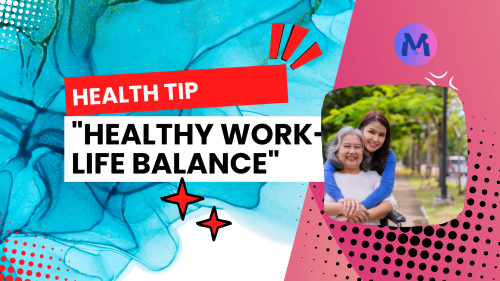
As healthcare professionals, balancing work and personal life can be a significant challenge. The demanding nature of our jobs often leads to long hours, high stress, and little time for personal activities. However, achieving a healthy work-life balance is crucial for maintaining our physical and mental well-being, and ultimately, for providing the best care to our patients. Here are some strategies to help you achieve a healthier balance between work and personal life.
1. Set Clear Boundaries
Setting boundaries between work and personal life is essential:
- Work Hours: Try to stick to a set schedule for work hours. Avoid taking work home or checking emails after hours.
- Personal Time: Dedicate specific times for personal activities and family. Protect this time as you would a work appointment.
2. Prioritize Self-Care
Self-care is critical for maintaining overall health and preventing burnout:
- Regular Exercise: Incorporate physical activity into your routine. Even short, daily walks can make a significant difference.
- Healthy Diet: Focus on a balanced diet rich in fruits, vegetables, lean proteins, and whole grains.
- Adequate Sleep: Aim for 7-9 hours of sleep per night to ensure you are well-rested and energized.
3. Manage Stress Effectively
Effective stress management can improve both your work and personal life:
- Mindfulness and Meditation: Practice mindfulness techniques or meditation to reduce stress and enhance focus.
- Hobbies and Interests: Engage in hobbies and activities that you enjoy to help relax and recharge.
- Professional Support: Don’t hesitate to seek support from a counselor or therapist if needed.
4. Improve Time Management
Efficient time management can help you accomplish more in less time:
- Prioritize Tasks: Focus on the most important tasks first and delegate when possible.
- Avoid Multitasking: Concentrate on one task at a time to increase productivity and reduce stress.
- Take Breaks: Regular breaks throughout the day can improve productivity and prevent burnout.
5. Foster a Supportive Work Environment
A positive work environment can significantly impact your work-life balance:
- Communicate Needs: Discuss your needs and boundaries with supervisors and colleagues.
- Supportive Colleagues: Build a network of supportive colleagues who understand the demands of your job.
- Flexible Scheduling: If possible, explore options for flexible scheduling to better balance work and personal commitments.
Conclusion
Achieving a healthy work-life balance in healthcare is challenging but essential. By setting clear boundaries, prioritizing self-care, managing stress effectively, improving time management, and fostering a supportive work environment, you can enhance your overall well-being and provide the best care to your patients. Remember, taking care of yourself is not a luxury but a necessity for your health and professional success.
Tags:
#WorkLifeBalance, #HealthcareProfessionals, #SelfCare, #StressManagement, #TimeManagement,

As healthcare providers, we often focus on the well-being of our patients, sometimes at the expense of our own health. It’s crucial to reflect on our own habits to ensure we are setting a positive example and maintaining our own well-being. This interactive quiz will help you evaluate the healthiness of your daily habits. Let’s see how you measure up!
Interactive Quiz:
1. Nutrition:
How often do you eat fruits and vegetables?
o A) At every meal
o B) Once a day
o C) A few times a week
o D) Rarely or never
How often do you consume processed or fast foods?
·o A) Rarely or never
o B) Once a week
o C) A few times a week
o D) Almost daily
2. Physical Activity:
How many days per week do you engage in moderate to vigorous physical activity (e.g., brisk walking, running, cycling)?
o A) 5-7 days
o B) 3-4 days
o C) 1-2 days
o D) Rarely or never
How long is your average exercise session?
o A) More than 30 minutes
o B) 20-30 minutes
o C) 10-20 minutes
o D) Less than 10 minutes
3. Sleep:
How many hours of sleep do you get per night on average?
o A) 7-9 hours
o B) 6-7 hours
o C) 5-6 hours
o D) Less than 5 hours
·How often do you feel well-rested in the morning?
o A) Almost always
o B) Most days
o C) Occasionally
o D) Rarely or never
4. Stress Management:
How often do you practice stress-relief techniques (e.g., meditation, deep breathing, yoga)?
o A) Daily
o B) A few times a week
o C) Occasionally
o D) Rarely or never
How well do you manage stress on a daily basis?
·o A) Very well
o B) Well
o C) Moderately well
o D) Poorly
5. Hydration:
·How many glasses of water do you drink per day?
o A) 8 or more
o B) 6-7
o C) 4-5
o D) Less than 4
How often do you choose water over sugary or caffeinated beverages?
o A) Almost always
o B) Most of the time
o C) Occasionally
o D) Rarely or never
Results:
Mostly A's: Healthy Habits Superstar Congratulations! Your habits are exemplary. You prioritize your health, which not only benefits you but also sets a positive example for your patients. Keep up the great work!
Mostly B's: Health-Conscious Professional You have a solid foundation of healthy habits but there's room for improvement. Focus on making small, sustainable changes to elevate your health to the next level.
Mostly C's: Room for Improvement Your habits are moderately healthy, but there are several areas where you could improve. Consider setting specific, achievable goals to enhance your well-being.
Mostly D's: Needs Attention Your habits may be affecting your overall health. It’s time to prioritize self-care and make meaningful changes. Remember, even small steps can lead to significant improvements.
Conclusion
Taking care of your health is essential for your well-being and effectiveness as a healthcare professional. Use the insights from this quiz to identify areas for improvement and set realistic goals. By enhancing your own health, you can better serve your patients and enjoy a higher quality of life.
#HealthHabits #Wellness #HealthcareProfessionals #SelfCare #HealthyLiving #Nutrition #Exercise #Sleep #StressManagement #Hydration