


Genetics plays a significant role in determining an individual's health, susceptibility to certain diseases, and response to treatments. Advances in genetic testing and personalized medicine are transforming healthcare, enabling more precise diagnosis, targeted therapies, and preventive strategies. Here, we explore the role of genetics in health and the potential benefits of genetic testing and personalized medicine.
Understanding Genetics and Health
Genetic Variability
Genetic Differences: Each individual has a unique genetic makeup, which influences their physical traits, disease risk, and how they respond to medications.
Inherited Conditions: Some genetic conditions are inherited from parents, such as cystic fibrosis, sickle cell anemia, and Huntington's disease.
Gene-Environment Interaction
Environmental Factors: Genes interact with environmental factors, such as diet, lifestyle, and exposure to toxins, to influence health outcomes.
Epigenetics: Epigenetic changes, which are modifications to gene expression without altering the DNA sequence, can be influenced by environmental factors and affect health.
Genetic Testing
Genetic testing involves analyzing DNA to identify genetic variations that may be associated with specific health conditions or traits.
Types of Genetic Testing
Diagnostic Testing: Identifies genetic causes of existing symptoms or conditions.
Predictive Testing: Assesses the risk of developing certain genetic conditions in the future.
Carrier Testing: Determines whether an individual carries a gene for a hereditary condition that could be passed on to offspring.
Pharmacogenomic Testing: Evaluates how an individual's genetic makeup affects their response to medications.
Applications of Genetic Testing
Disease Risk Assessment: Genetic testing can identify individuals at higher risk for certain diseases, such as cancer, cardiovascular disease, and diabetes.
Family Planning: Carrier testing helps prospective parents understand the risk of passing on genetic conditions to their children.
Treatment Personalization: Pharmacogenomic testing guides medication selection and dosing to improve efficacy and reduce adverse effects.
Ethical Considerations
Privacy and Confidentiality: Genetic information must be kept confidential and shared only with the patient's consent.
Informed Consent: Patients should receive comprehensive information about the benefits, risks, and limitations of genetic testing before consenting.
Discrimination: Genetic information should not be used to discriminate against individuals in employment, insurance, or other areas.
Personalized Medicine
Personalized medicine, also known as precision medicine, tailors medical treatment to the individual characteristics of each patient, including their genetic profile.
Benefits of Personalized Medicine
Targeted Therapies: Personalized medicine enables the development of targeted therapies that are more effective and have fewer side effects.
Improved Diagnosis: Genetic testing can lead to more accurate diagnoses and better understanding of disease mechanisms.
Preventive Strategies: Identifying genetic risk factors allows for the implementation of personalized preventive strategies to reduce disease risk.
Examples of Personalized Medicine
Cancer Treatment: Genetic profiling of tumors helps identify specific mutations and guides the selection of targeted therapies.
Cardiovascular Disease: Genetic testing can identify individuals at risk for heart disease and inform personalized lifestyle and medication recommendations.
Pharmacogenomics: Personalized medicine uses genetic information to optimize medication regimens for conditions such as depression, hypertension, and chronic pain.
Challenges and Future Directions
Accessibility and Cost
Equitable Access: Ensuring that genetic testing and personalized medicine are accessible to all patients, regardless of socioeconomic status, is a significant challenge.
Cost Considerations: The cost of genetic testing and personalized treatments can be high, and insurance coverage varies.
Data Management
Large Data Sets: Managing and analyzing the vast amounts of genetic data generated requires advanced technologies and expertise.
Interoperability: Integrating genetic data into electronic health records (EHR) and ensuring interoperability between systems is essential.
Education and Training
Healthcare Providers: Continuous education and training are needed for healthcare providers to interpret genetic test results and apply personalized medicine principles.
Patient Awareness: Educating patients about the benefits and limitations of genetic testing and personalized medicine is crucial for informed decision-making.
Conclusion
Genetics plays a crucial role in health, influencing disease risk, treatment response, and overall well-being. Advances in genetic testing and personalized medicine are revolutionizing healthcare, enabling more precise diagnosis, targeted therapies, and preventive strategies. As healthcare professionals, it is essential to understand the implications of genetics in health and leverage these advancements to provide personalized, effective care to our patients.
Tags:
#Genetics, #GeneticTesting, #PersonalizedMedicine, #PrecisionMedicine, #HealthcareInnovation,
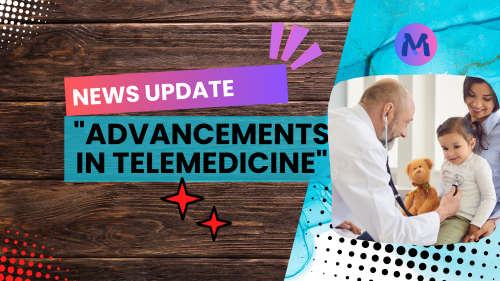
Telemedicine has rapidly evolved over the past few years, transforming the way healthcare is delivered. The COVID-19 pandemic accelerated the adoption of telemedicine, highlighting its potential to improve access to care, enhance patient outcomes, and reduce healthcare costs. Here, we explore the latest advancements in telemedicine and their implications for the future of healthcare.
Enhanced Accessibility and Convenience
Remote Consultations
o Virtual Visits: Patients can consult with healthcare providers from the comfort of their homes, reducing the need for travel and waiting times.
o Specialist Access: Telemedicine enables patients in remote or underserved areas to access specialist care that might otherwise be unavailable.
Continuous Monitoring
o Wearable Devices: Smartwatches, fitness trackers, and other wearable devices allow continuous monitoring of vital signs and health metrics.
o Remote Patient Monitoring: Devices that track blood pressure, glucose levels, and other health parameters can transmit data to healthcare providers for real-time monitoring and intervention.
Improved Patient Outcomes
Chronic Disease Management
o Telehealth Programs: Telemedicine programs for chronic disease management, such as diabetes, hypertension, and heart disease, can lead to better health outcomes through regular monitoring and timely interventions.
o Patient Education: Virtual education sessions and resources empower patients to manage their conditions more effectively.
Mental Health Services
o Teletherapy: Access to mental health services through telemedicine has expanded, providing convenient and confidential support for patients dealing with anxiety, depression, and other mental health conditions.
o Crisis Intervention: Telehealth platforms can offer immediate support and crisis intervention for patients in need.
Cost Reduction and Efficiency
Reduced Healthcare Costs
o Lower Overhead Costs: Telemedicine reduces the need for physical infrastructure, leading to lower operational costs for healthcare providers.
o Decreased Hospitalizations: Timely interventions through remote monitoring can prevent complications and reduce hospital admissions.
Efficient Resource Utilization
o Optimized Scheduling: Virtual visits can be more efficiently scheduled, reducing downtime and maximizing the use of healthcare resources.
o Resource Allocation: Telemedicine allows for better allocation of healthcare resources, ensuring that in-person visits are reserved for patients who need them most.
Technological Advancements
Artificial Intelligence (AI) and Machine Learning
o Diagnostic Tools: AI-powered diagnostic tools can analyze medical images, lab results, and patient data to assist in diagnosis and treatment planning.
o Predictive Analytics: Machine learning algorithms can predict patient outcomes, identify at-risk populations, and inform preventive care strategies.
Integration with Electronic Health Records (EHR)
o Seamless Data Flow: Integration of telemedicine platforms with EHR systems ensures that patient data is accurately recorded and easily accessible to healthcare providers.
o Improved Care Coordination: Integrated systems facilitate better communication and coordination among healthcare providers, enhancing patient care.
Challenges and Future Directions
Regulatory and Reimbursement Issues
o Licensing and Credentialing: Navigating the regulatory landscape for telemedicine can be complex, particularly for cross-state or international consultations.
o Reimbursement Policies: Ensuring adequate reimbursement for telemedicine services remains a challenge, although progress is being made.
Technology Barriers
o Access to Technology: Ensuring that patients have access to the necessary technology and internet connectivity is crucial for the widespread adoption of telemedicine.
o Cybersecurity: Protecting patient data and maintaining privacy and security in telemedicine platforms is a top priority.
Conclusion
Advancements in telemedicine are revolutionizing healthcare delivery, making it more accessible, efficient, and patient-centered. As technology continues to evolve, telemedicine will play an increasingly vital role in improving healthcare outcomes and reducing costs. By embracing these advancements and addressing the associated challenges, healthcare providers can enhance the quality of care and meet the needs of their patients in innovative ways.
Tags:
#Telemedicine, #HealthcareInnovation, #RemoteMonitoring, #ChronicDiseaseManagement, #MentalHealth, #ArtificialIntelligence,