


Resilience is the ability to adapt and thrive in the face of adversity, stress, and challenges. For healthcare professionals, building resilience is essential to maintain well-being, provide high-quality care, and prevent burnout. Here, we explore strategies to build resilience and enhance the capacity to cope with the demands of the healthcare profession.
Understanding Resilience
Definition of Resilience
Adaptability: The ability to adjust to changing circumstances and recover from setbacks.
Mental Strength: The capacity to maintain focus, determination, and a positive outlook despite challenges.
Importance of Resilience in Healthcare
Enhanced Patient Care: Resilient healthcare professionals are better equipped to handle the pressures of their job and provide compassionate, effective care.
Burnout Prevention: Building resilience helps prevent burnout by reducing stress and promoting emotional well-being.
Professional Fulfillment: Resilient individuals are more likely to find satisfaction and meaning in their work.
Strategies to Build Resilience
Self-Care Practices
Physical Health: Prioritize regular exercise, a balanced diet, and adequate sleep to support overall well-being.
Mindfulness and Relaxation: Practice mindfulness techniques, meditation, and deep breathing exercises to reduce stress and enhance mental clarity.
Hobbies and Interests: Engage in activities outside of work that bring joy and relaxation, such as reading, gardening, or creative arts.
Professional Support
Mentorship: Seek out mentors who can provide guidance, support, and encouragement in your professional journey.
Peer Support: Build a network of supportive colleagues with whom you can share experiences, challenges, and coping strategies.
Counseling: Consider professional counseling or therapy to address emotional challenges and build coping skills.
Positive Mindset
Optimism: Cultivate a positive outlook by focusing on strengths, successes, and opportunities for growth.
Gratitude: Practice gratitude by regularly reflecting on and appreciating the positive aspects of your life and work.
Self-Compassion: Be kind to yourself, acknowledging that it’s okay to make mistakes and that self-care is essential.
Effective Time Management
Prioritization: Focus on the most important tasks and delegate when possible to manage workload effectively.
Breaks and Downtime: Schedule regular breaks and downtime to rest and recharge throughout the day.
Work-Life Balance: Establish clear boundaries between work and personal life to ensure time for relaxation and personal activities.
Stress Management Techniques
Problem-Solving: Develop problem-solving skills to address challenges proactively and reduce stress.
Emotional Regulation: Practice techniques to manage emotions, such as deep breathing, visualization, and cognitive reframing.
Support Systems: Lean on friends, family, and support groups for emotional support and connection.
Continuous Learning and Professional Development
Skill Enhancement: Pursue opportunities for continuing education and skill development to stay current in your field.
Career Goals: Set and pursue career goals that align with your values and interests, fostering a sense of purpose and motivation.
Reflective Practice: Regularly reflect on your experiences, identifying lessons learned and areas for growth.
Conclusion
Building resilience is a continuous process that involves self-care, professional support, a positive mindset, effective time management, stress management techniques, and continuous learning. By incorporating these strategies into your daily life, you can enhance your ability to adapt to challenges, maintain well-being, and provide high-quality care to your patients. Remember, resilience is not about avoiding stress but about developing the capacity to thrive despite it.
Tags:
#Resilience, #HealthcareProfessionals, #SelfCare, #StressManagement, #PositiveMindset, #ProfessionalSupport,
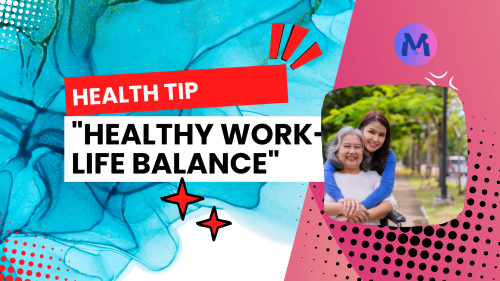
As healthcare professionals, balancing work and personal life can be a significant challenge. The demanding nature of our jobs often leads to long hours, high stress, and little time for personal activities. However, achieving a healthy work-life balance is crucial for maintaining our physical and mental well-being, and ultimately, for providing the best care to our patients. Here are some strategies to help you achieve a healthier balance between work and personal life.
1. Set Clear Boundaries
Setting boundaries between work and personal life is essential:
- Work Hours: Try to stick to a set schedule for work hours. Avoid taking work home or checking emails after hours.
- Personal Time: Dedicate specific times for personal activities and family. Protect this time as you would a work appointment.
2. Prioritize Self-Care
Self-care is critical for maintaining overall health and preventing burnout:
- Regular Exercise: Incorporate physical activity into your routine. Even short, daily walks can make a significant difference.
- Healthy Diet: Focus on a balanced diet rich in fruits, vegetables, lean proteins, and whole grains.
- Adequate Sleep: Aim for 7-9 hours of sleep per night to ensure you are well-rested and energized.
3. Manage Stress Effectively
Effective stress management can improve both your work and personal life:
- Mindfulness and Meditation: Practice mindfulness techniques or meditation to reduce stress and enhance focus.
- Hobbies and Interests: Engage in hobbies and activities that you enjoy to help relax and recharge.
- Professional Support: Don’t hesitate to seek support from a counselor or therapist if needed.
4. Improve Time Management
Efficient time management can help you accomplish more in less time:
- Prioritize Tasks: Focus on the most important tasks first and delegate when possible.
- Avoid Multitasking: Concentrate on one task at a time to increase productivity and reduce stress.
- Take Breaks: Regular breaks throughout the day can improve productivity and prevent burnout.
5. Foster a Supportive Work Environment
A positive work environment can significantly impact your work-life balance:
- Communicate Needs: Discuss your needs and boundaries with supervisors and colleagues.
- Supportive Colleagues: Build a network of supportive colleagues who understand the demands of your job.
- Flexible Scheduling: If possible, explore options for flexible scheduling to better balance work and personal commitments.
Conclusion
Achieving a healthy work-life balance in healthcare is challenging but essential. By setting clear boundaries, prioritizing self-care, managing stress effectively, improving time management, and fostering a supportive work environment, you can enhance your overall well-being and provide the best care to your patients. Remember, taking care of yourself is not a luxury but a necessity for your health and professional success.
Tags:
#WorkLifeBalance, #HealthcareProfessionals, #SelfCare, #StressManagement, #TimeManagement,

As healthcare professionals, we frequently encounter high-stress situations that can take a toll on our mental and physical well-being. Managing stress effectively is crucial not only for our own health but also for providing the best care to our patients. Here are some evidence-based techniques to help you manage stress and maintain resilience in your demanding role.
1. Mindfulness Meditation
Mindfulness meditation involves focusing on the present moment and accepting it without judgment. This practice has been shown to reduce stress, anxiety, and depression. Key benefits include:
· Reduced Stress: Lowers cortisol levels and promotes relaxation.
· Improved Focus: Enhances attention and cognitive function.
· Emotional Regulation: Increases emotional resilience and stability.
How to Practice:
· Find a quiet place to sit comfortably.
· Close your eyes and focus on your breath.
· Notice the sensation of each inhale and exhale.
· When your mind wanders, gently bring your focus back to your breath.
2. Physical Activity
Regular exercise is a powerful stress-relief tool. Physical activity helps to release endorphins, which are natural mood lifters, and reduces levels of the body's stress hormones, such as adrenaline and cortisol. Benefits include:
· Improved Mood: Boosts overall mood and reduces symptoms of depression and anxiety.
· Better Sleep: Enhances sleep quality, which is often disrupted by stress.
· Increased Energy: Improves energy levels and overall physical health.
Types of Activities:
· Aerobic Exercise: Activities like walking, running, swimming, or cycling.
· Strength Training: Weight lifting or bodyweight exercises.
· Mind-Body Practices: Yoga, tai chi, or pilates.
3. Deep Breathing Exercises
Deep breathing exercises can quickly reduce stress and promote a sense of calm. These exercises help to slow the heart rate and lower blood pressure, providing immediate relaxation. Benefits include:
· Immediate Relaxation: Quickly reduces stress and tension.
· Improved Focus: Helps clear the mind and improve concentration.
· Enhanced Relaxation Response: Promotes overall calmness and well-being.
How to Practice:
· Sit or lie down in a comfortable position.
· Place one hand on your chest and the other on your abdomen.
· Take a deep breath in through your nose, allowing your abdomen to rise.
· Exhale slowly through your mouth, feeling your abdomen fall.
· Repeat for a few minutes.
4. Time Management Techniques
Effective time management can help reduce stress by providing a sense of control over your schedule. Prioritizing tasks and setting realistic goals can prevent feelings of being overwhelmed. Benefits include:
· Increased Productivity: Helps you accomplish more in less time.
· Reduced Procrastination: Encourages proactive work habits.
· Balanced Work-Life: Helps maintain a healthy balance between professional and personal life.
Tips for Time Management:
· Prioritize Tasks: Focus on the most important and urgent tasks first.
· Break Tasks into Smaller Steps: Make large tasks more manageable.
· Use a Planner or Digital Calendar: Schedule your tasks and set reminders.
· Set Boundaries: Learn to say no to non-essential tasks.
5. Professional Support and Peer Networks
Sometimes, the best way to manage stress is to seek support from others. Professional support from a therapist or counselor can provide valuable coping strategies. Additionally, peer support from colleagues can offer understanding and camaraderie. Benefits include:
· Emotional Support: Provides a safe space to express feelings and concerns.
· Practical Advice: Offers strategies and tips for managing stress.
· Sense of Community: Reduces feelings of isolation and promotes shared experiences.
Ways to Seek Support:
· Professional Therapy: Schedule regular sessions with a licensed therapist.
· Peer Support Groups: Join support groups for healthcare professionals.
· Mentorship: Seek guidance from a trusted mentor or senior colleague.
Conclusion
Managing stress is an essential skill for healthcare professionals. By incorporating these techniques into your daily routine, you can enhance your resilience, improve your mental and physical well-being, and provide the highest level of care to your patients. Remember, taking care of yourself is not a luxury—it's a necessity.
Tags:
#StressManagement #HealthcareProfessionals #Mindfulness #PhysicalActivity #DeepBreathing #TimeManagement #ProfessionalSupport

As healthcare professionals, we dedicate our lives to addressing the health challenges of our patients. However, it’s equally important to acknowledge and address our own health challenges. By reflecting on our personal health obstacles, we can better understand and empathize with our patients, and take steps towards improving our own well-being. Let’s explore some common health challenges faced by healthcare professionals and strategies to overcome them.
1. Managing Stress
Healthcare professionals often work in high-stress environments, which can take a toll on both mental and physical health. Chronic stress can lead to burnout, anxiety, and depression. Consider these strategies to manage stress effectively:
· Mindfulness and Meditation: Incorporate mindfulness practices into your daily routine to reduce stress and increase focus.
· Exercise: Regular physical activity can significantly reduce stress levels and improve overall well-being.
· Work-Life Balance: Prioritize time for hobbies, family, and relaxation to maintain a healthy balance.
2. Maintaining a Healthy Diet
Busy schedules can make it challenging to maintain a nutritious diet. Poor eating habits can lead to weight gain, fatigue, and increased risk of chronic diseases. Here are some tips for eating healthy on a busy schedule:
· Meal Prep: Prepare healthy meals and snacks in advance to avoid relying on fast food.
· Stay Hydrated: Carry a water bottle and make hydration a priority throughout the day.
· Balanced Meals: Focus on balanced meals with a mix of protein, healthy fats, and fiber-rich carbohydrates.
3. Getting Adequate Sleep
Irregular working hours and long shifts can disrupt sleep patterns, leading to sleep deprivation. Lack of sleep can affect cognitive function, mood, and overall health. Consider these tips to improve sleep quality:
· Sleep Schedule: Try to maintain a consistent sleep schedule, even on days off.
· Sleep Environment: Create a restful sleep environment by keeping your bedroom cool, dark, and quiet.
· Limit Stimulants: Avoid caffeine and electronic devices before bedtime to promote better sleep.
4. Physical Activity
Finding time for regular exercise can be challenging, yet it’s crucial for maintaining health and preventing chronic diseases. Strategies to incorporate more physical activity into your routine include:
· Short Workouts: Opt for shorter, high-intensity workouts if time is limited.
· Active Breaks: Take short breaks during your shift to walk or stretch.
· Commute: If possible, walk or bike to work to incorporate more activity into your day.
5. Mental Health and Well-being
The emotional demands of healthcare can impact mental health. Addressing mental health challenges is essential for providing the best care for your patients and yourself. Consider these approaches:
· Seek Support: Don’t hesitate to seek professional help or join a support group.
· Self-Care: Prioritize self-care activities that bring you joy and relaxation.
· Open Communication: Foster open communication with colleagues to share experiences and support each other.
Interactive Poll: What’s Your Biggest Health Challenge?
We invite you to participate in our interactive poll to share your biggest health challenge. Understanding common issues among healthcare professionals can help us create a supportive community and develop targeted resources to address these challenges.
Poll Options:
· Managing Stress
· Maintaining a Healthy Diet
· Getting Adequate Sleep
· Physical Activity
· Mental Health and Well-being
Conclusion
Addressing personal health challenges is vital for healthcare professionals to maintain their well-being and provide high-quality care. By acknowledging and tackling these challenges, we can set a positive example for our patients and lead healthier, more fulfilling lives. Participate in our poll and join the conversation to share your experiences and strategies for overcoming health challenges.
Tags:
#HealthChallenges #HealthcareProfessionals #StressManagement #HealthyDiet #SleepHealth #PhysicalActivity #MentalWellBeing #InteractivePoll

As healthcare providers, we often focus on the well-being of our patients, sometimes at the expense of our own health. It’s crucial to reflect on our own habits to ensure we are setting a positive example and maintaining our own well-being. This interactive quiz will help you evaluate the healthiness of your daily habits. Let’s see how you measure up!
Interactive Quiz:
1. Nutrition:
How often do you eat fruits and vegetables?
o A) At every meal
o B) Once a day
o C) A few times a week
o D) Rarely or never
How often do you consume processed or fast foods?
·o A) Rarely or never
o B) Once a week
o C) A few times a week
o D) Almost daily
2. Physical Activity:
How many days per week do you engage in moderate to vigorous physical activity (e.g., brisk walking, running, cycling)?
o A) 5-7 days
o B) 3-4 days
o C) 1-2 days
o D) Rarely or never
How long is your average exercise session?
o A) More than 30 minutes
o B) 20-30 minutes
o C) 10-20 minutes
o D) Less than 10 minutes
3. Sleep:
How many hours of sleep do you get per night on average?
o A) 7-9 hours
o B) 6-7 hours
o C) 5-6 hours
o D) Less than 5 hours
·How often do you feel well-rested in the morning?
o A) Almost always
o B) Most days
o C) Occasionally
o D) Rarely or never
4. Stress Management:
How often do you practice stress-relief techniques (e.g., meditation, deep breathing, yoga)?
o A) Daily
o B) A few times a week
o C) Occasionally
o D) Rarely or never
How well do you manage stress on a daily basis?
·o A) Very well
o B) Well
o C) Moderately well
o D) Poorly
5. Hydration:
·How many glasses of water do you drink per day?
o A) 8 or more
o B) 6-7
o C) 4-5
o D) Less than 4
How often do you choose water over sugary or caffeinated beverages?
o A) Almost always
o B) Most of the time
o C) Occasionally
o D) Rarely or never
Results:
Mostly A's: Healthy Habits Superstar Congratulations! Your habits are exemplary. You prioritize your health, which not only benefits you but also sets a positive example for your patients. Keep up the great work!
Mostly B's: Health-Conscious Professional You have a solid foundation of healthy habits but there's room for improvement. Focus on making small, sustainable changes to elevate your health to the next level.
Mostly C's: Room for Improvement Your habits are moderately healthy, but there are several areas where you could improve. Consider setting specific, achievable goals to enhance your well-being.
Mostly D's: Needs Attention Your habits may be affecting your overall health. It’s time to prioritize self-care and make meaningful changes. Remember, even small steps can lead to significant improvements.
Conclusion
Taking care of your health is essential for your well-being and effectiveness as a healthcare professional. Use the insights from this quiz to identify areas for improvement and set realistic goals. By enhancing your own health, you can better serve your patients and enjoy a higher quality of life.
#HealthHabits #Wellness #HealthcareProfessionals #SelfCare #HealthyLiving #Nutrition #Exercise #Sleep #StressManagement #Hydration

In the demanding field of healthcare, maintaining a robust immune system is crucial not only for personal health but also for providing the best care to patients. As physicians, we often prioritize our patients' well-being over our own, but it's essential to adopt practices that support our immune health. Here are five evidence-based strategies to enhance immune function:
1. Promote a Nutrient-Rich Diet
A balanced diet is foundational to immune health. Encourage the inclusion of a wide range of fruits, vegetables, whole grains, lean proteins, and healthy fats. Emphasize the importance of micronutrients such as vitamins C and D, zinc, and antioxidants, which have been shown to support immune function. Foods such as citrus fruits, berries, leafy greens, nuts, seeds, and fatty fish should be staples in a physician's diet.
2. Maintain Adequate Hydration
Hydration is often overlooked but vital for optimal cellular function and toxin elimination. Encourage a daily intake of 2-3 liters of water, depending on individual needs and activity levels. Herbal teas and natural fruit-infused waters can also be beneficial. Adequate hydration supports mucosal barriers and lymphatic function, crucial components of the immune response.
3. Incorporate Regular Physical Activity
Regular physical activity has been shown to enhance immune surveillance and improve overall health. Recommend at least 150 minutes of moderate aerobic activity or 75 minutes of vigorous activity per week, in line with CDC guidelines. Activities such as brisk walking, cycling, or yoga can improve cardiovascular health and reduce stress, thereby supporting immune function.
4. Prioritize Sleep Hygiene
Sleep is critical for immune health, as it allows for the regeneration of immune cells. Research indicates that adults should aim for 7-9 hours of restorative sleep per night. Implementing good sleep hygiene practices, such as maintaining a consistent sleep schedule, creating a restful environment, and minimizing screen time before bed, can significantly enhance sleep quality and immune resilience.
5. Effective Stress Management
Chronic stress can dysregulate immune responses, making stress management essential. Techniques such as mindfulness-based stress reduction (MBSR), meditation, and deep breathing exercises have been shown to lower cortisol levels and improve immune function. Additionally, maintaining professional and personal support networks and engaging in leisure activities can mitigate stress.
Conclusion
As healthcare providers, it's imperative to model and advocate for these immune-supporting practices. By integrating these strategies into our routines, we can enhance our immune defenses, thereby improving our ability to care for our patients and ourselves.
#Immunity, #HealthcareProfessionals, #Wellness, #ImmuneHealth, #Nutrition, #PhysicalActivity, #Hydration, #SleepHygiene, #StressManagement