


Setting up a private clinic, hospital, or diagnostic centre in Karnataka requires mandatory registration under the Karnataka Private Medical Establishments (KPME) Act. This legislation ensures that all private healthcare facilities operate with transparency, maintain prescribed standards of care, and are accountable to patients and regulators alike. In this article, we outline a clear, step-by-step process on how to register your medical establishment under the KPME Act, along with details on where and how to apply through the official government portal to stay compliant and legally operational in the state.
Where to Register
You register with the official portal of the Directorate of Health Services, Karnataka (DHS) / KPME online system:
- Portal: kpme.karnataka.gov.in
- The homepage allows new “Establishment Sign Up” as well as login for existing users.
- After signup, you apply for “New Establishment Registration” on the portal.
- You may also coordinate with your District Health Office / Taluk Health Office for submission, inspection & final approval.
How to Register – Step by Step
Here is a simplified procedure for registration:
1. Prepare documents and facility readiness
- Ensure your facility (clinic, hospital, diagnostic centre, etc) meets the infrastructure, staffing, equipment, and safety prerequisites under the KPME Act.
- Collect required certificates: ownership/lease of premises, building plan/occupancy certificate, fire safety clearance, biomedical waste disposal tie-up, staff qualification proofs, etc.
2. Sign up on the KPME portal
- Create user ID by filling establishment name, address, category, ownership details etc.
- Once signed up, log in and select “New Establishment Registration” / “Form A” as per the portal instructions.
3. Fill the online application
- Provide details: Establishment name, address, system of medicine, category (clinic/hospital/lab), ownership type, contact details.
- Upload required documents (scanned copies) as per checklist on portal.
- Pay the application/registration fee online (fee depends on category of the establishment).
4. Inspection
- After application & fee payment, an inspection is conducted by the authorised KPME inspection/committee (from the DHS) to verify compliance.
- Inspection may be scheduled via the portal.
5. Approval & Certificate Issuance
- Upon satisfactory inspection and fulfilment of conditions, registration certificate is issued by the authority via the portal.
- The establishment must display the registration certificate and the registration number prominently on-site (as per recent directive).
6. Renewal / Change / Closure
- If the establishment changes category, address, ownership, or bed-strength, you must apply via the portal for modification.
- Renewal is required at periodic intervals as specified by DHS/KPME rules. (Suggested by compliance service pages.)
Important Tips & Compliance Indicators
- Ensure you choose the correct category of establishment (e.g., clinic, nursing home, diagnostic centre) and system of medicine (Allopathy, Ayurveda, etc). Wrong category can delay approval.
- Keep ready the local clearances (municipal/trade license, occupancy certificate) before applying. This prevents surprises during inspection.
- After registration, you must display certain details on a board outside your facility: the KPME registration number, the owner/manager name, system of medicine, etc. Colour-coded board rules apply (Allopathy – sky blue, Ayurveda – light green) as per recent government circulars.
- Operating without registration leaves you vulnerable: legal action, closure, fines. News reports show enforcement drives targeting un-registered clinics.

Introduction
Hospitals are the cornerstone of healthcare, providing essential services and care to millions of people daily. However, in recent years, hospitals have faced a whirlwind of challenges that impact their ability to deliver high-quality care. From workforce shortages to financial pressures, these issues are multifaceted and complex. Let’s take a closer look at the current issues hospitals face and explore potential solutions to these pressing problems.
1. Workforce Shortages
- Nursing Shortage: One of the most critical challenges is the shortage of nursing staff. The pandemic has exacerbated this issue, with many nurses experiencing burnout and leaving the profession. This shortage impacts patient care quality and increases the workload for remaining staff, leading to further burnout.
- Physician Shortage: Similar to nurses, there is a significant shortage of physicians, particularly in rural and underserved areas. This shortage strains hospital resources and limits patient access to timely care.
2. Financial Pressures
- Rising Operational Costs: Hospitals face increasing operational costs, including the cost of medical supplies, technology, and staffing. These rising costs strain hospital budgets and make it challenging to invest in new technologies and infrastructure.
- Reimbursement Challenges: Hospitals often struggle with reimbursement rates from insurance companies and government programs. Delays and reductions in reimbursements can lead to financial instability, affecting the hospital’s ability to maintain services and staff.
3. Technology Integration
- Electronic Health Records (EHRs): While EHRs are intended to streamline patient care and record-keeping, their implementation has been fraught with challenges. Many hospitals struggle with the interoperability of EHR systems, leading to inefficiencies and frustration among healthcare providers.
- Cybersecurity Threats: As hospitals become increasingly digital, they face growing threats from cyberattacks. Protecting patient data and ensuring the integrity of hospital systems is a significant concern, requiring substantial investment in cybersecurity measures.
4. Patient Safety and Quality of Care
- Infection Control: The COVID-19 pandemic highlighted the critical importance of infection control in hospitals. Ensuring the safety of patients and staff requires rigorous protocols, which can be resource-intensive to implement and maintain.
- Readmission Rates: High readmission rates are a persistent challenge for hospitals. They often indicate issues with discharge planning, patient education, and follow-up care, and can result in financial penalties for hospitals under certain reimbursement models.
5. Mental Health and Burnout
- Healthcare Worker Burnout: The mental health of healthcare workers is a growing concern. Long hours, high stress, and exposure to traumatic events contribute to high levels of burnout and mental health issues among hospital staff.
- Patient Mental Health: Hospitals are also seeing an increase in patients with mental health conditions. Adequately addressing these needs requires integrated care models and sufficient mental health resources, which many hospitals currently lack.
Potential Solutions
1. Workforce Support and Development
- Retention Programs: Implementing programs to support and retain current staff, such as offering competitive salaries, mental health support, and opportunities for professional development.
- Training and Education: Expanding training programs and partnerships with educational institutions to address workforce shortages and ensure a steady pipeline of qualified healthcare professionals.
2. Financial Strategies
- Efficient Resource Management: Adopting efficient resource management practices to reduce operational costs without compromising care quality.
- Advocacy for Reimbursement Reform: Engaging in advocacy efforts to reform reimbursement policies and ensure fair and timely compensation for services provided.
3. Technology Optimization
- Interoperability Solutions: Investing in technology solutions that enhance the interoperability of EHR systems to streamline workflows and improve patient care.
- Strengthening Cybersecurity: Prioritizing cybersecurity measures to protect patient data and hospital systems from cyber threats.
4. Enhancing Patient Safety and Care Quality
- Infection Control Protocols: Continuously improving infection control protocols and investing in necessary resources to protect patients and staff.
- Comprehensive Discharge Planning: Implementing comprehensive discharge planning and follow-up care strategies to reduce readmission rates.
5. Mental Health Initiatives
- Support for Healthcare Workers: Providing robust mental health support and resources for healthcare workers to address burnout and improve overall well-being.
- Integrated Mental Health Care: Expanding integrated mental health care services to better meet the needs of patients with mental health conditions.
Conclusion
The challenges facing hospitals today are significant and multifaceted, but they are not insurmountable. By addressing workforce shortages, financial pressures, technology integration, patient safety, and mental health, hospitals can navigate these turbulent times and continue to provide high-quality care. Through innovation, collaboration, and a commitment to excellence, the healthcare community can overcome these challenges and build a more resilient and effective healthcare system for the future.

In the demanding field of healthcare, maintaining a robust immune system is crucial not only for personal health but also for providing the best care to patients. As physicians, we often prioritize our patients' well-being over our own, but it's essential to adopt practices that support our immune health. Here are five evidence-based strategies to enhance immune function:
1. Promote a Nutrient-Rich Diet
A balanced diet is foundational to immune health. Encourage the inclusion of a wide range of fruits, vegetables, whole grains, lean proteins, and healthy fats. Emphasize the importance of micronutrients such as vitamins C and D, zinc, and antioxidants, which have been shown to support immune function. Foods such as citrus fruits, berries, leafy greens, nuts, seeds, and fatty fish should be staples in a physician's diet.
2. Maintain Adequate Hydration
Hydration is often overlooked but vital for optimal cellular function and toxin elimination. Encourage a daily intake of 2-3 liters of water, depending on individual needs and activity levels. Herbal teas and natural fruit-infused waters can also be beneficial. Adequate hydration supports mucosal barriers and lymphatic function, crucial components of the immune response.
3. Incorporate Regular Physical Activity
Regular physical activity has been shown to enhance immune surveillance and improve overall health. Recommend at least 150 minutes of moderate aerobic activity or 75 minutes of vigorous activity per week, in line with CDC guidelines. Activities such as brisk walking, cycling, or yoga can improve cardiovascular health and reduce stress, thereby supporting immune function.
4. Prioritize Sleep Hygiene
Sleep is critical for immune health, as it allows for the regeneration of immune cells. Research indicates that adults should aim for 7-9 hours of restorative sleep per night. Implementing good sleep hygiene practices, such as maintaining a consistent sleep schedule, creating a restful environment, and minimizing screen time before bed, can significantly enhance sleep quality and immune resilience.
5. Effective Stress Management
Chronic stress can dysregulate immune responses, making stress management essential. Techniques such as mindfulness-based stress reduction (MBSR), meditation, and deep breathing exercises have been shown to lower cortisol levels and improve immune function. Additionally, maintaining professional and personal support networks and engaging in leisure activities can mitigate stress.
Conclusion
As healthcare providers, it's imperative to model and advocate for these immune-supporting practices. By integrating these strategies into our routines, we can enhance our immune defenses, thereby improving our ability to care for our patients and ourselves.
#Immunity, #HealthcareProfessionals, #Wellness, #ImmuneHealth, #Nutrition, #PhysicalActivity, #Hydration, #SleepHygiene, #StressManagement
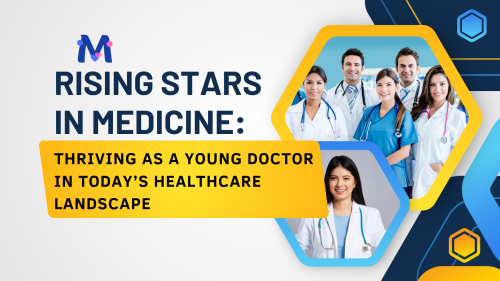
Introduction
Hey there, future healthcare leaders! Stepping into the world of medicine as a young doctor is an exhilarating journey filled with endless possibilities. With ever-evolving technologies, groundbreaking research, and a focus on personalized patient care, the medical field is ripe with opportunities for innovation and growth. This article is your guide to thriving in this dynamic environment, balancing the demands of the profession, and making a lasting impact on the lives of your patients. Let’s dive in!
Embracing Innovation and Technology
Digital Health Revolution
- Telemedicine: The rise of telemedicine has transformed patient care, making it more accessible and convenient. As a young doctor, leveraging telehealth platforms can enhance patient engagement and provide timely care, especially in underserved areas.
- Wearable Technology: Devices like smartwatches and fitness trackers provide real-time health data, allowing for proactive monitoring and personalized care plans. Embrace these tools to stay ahead in preventive medicine and chronic disease management.
Artificial Intelligence (AI) and Machine Learning
- Diagnostic Accuracy: AI-powered tools can assist in diagnosing complex conditions by analyzing vast amounts of data quickly and accurately. Familiarize yourself with these technologies to improve diagnostic accuracy and patient outcomes.
- Predictive Analytics: Utilize predictive analytics to identify at-risk patients and intervene early, preventing complications and enhancing patient care.
Cultivating a Patient-Centered Approach
Effective Communication
- Active Listening: Building strong doctor-patient relationships starts with active listening. Take the time to understand your patients' concerns, values, and preferences to provide compassionate and personalized care.
- Clear Explanations: Break down complex medical information into simple, understandable terms. This empowers patients to make informed decisions about their health.
Empathy and Compassion
- Human Connection: Never underestimate the power of empathy in medicine. A kind word, a reassuring touch, and genuine compassion can significantly impact a patient's experience and recovery.
- Patient Advocacy: Be an advocate for your patients. Help them navigate the healthcare system, access resources, and receive the best possible care.
Navigating Work-Life Balance
Time Management
- Prioritize Tasks: Use tools like to-do lists and digital calendars to prioritize tasks and manage your time effectively. This helps reduce stress and ensures you stay on top of your responsibilities.
- Set Boundaries: Establish clear boundaries between work and personal life. Take time to recharge and avoid burnout by engaging in activities you enjoy outside of medicine.
Mental Health and Wellbeing
- Self-Care: Prioritize self-care practices such as regular exercise, healthy eating, and sufficient sleep. Taking care of yourself enables you to provide better care for your patients.
- Seek Support: Don’t hesitate to seek support from mentors, colleagues, or professional counselors when facing challenges. Building a strong support network is essential for long-term success and well-being.
Continuing Education and Professional Growth
Lifelong Learning
- Stay Current: Medicine is an ever-evolving field. Stay updated with the latest research, guidelines, and best practices by attending conferences, reading journals, and participating in online courses.
- Specialization and Certification: Consider pursuing additional certifications or specializations that align with your interests and career goals. This not only enhances your skills but also opens up new career opportunities.
Networking and Mentorship
- Build Connections: Engage with peers, mentors, and professional organizations to build a robust professional network. Networking can lead to collaborative opportunities, career advice, and valuable insights.
- Mentorship: Seek out mentors who can guide you through your career journey. Their experience and wisdom can help you navigate challenges and make informed career decisions.
Making a Difference
Community Involvement
- Volunteer Work: Get involved in community health initiatives, free clinics, or global health missions. These experiences broaden your perspective and allow you to give back to the community.
- Health Education: Educate your community on important health issues through workshops, seminars, or social media platforms. Empowering others with knowledge can lead to healthier lifestyles and improved public health.
Innovative Research
- Clinical Trials: Participate in or lead clinical trials to contribute to the advancement of medical knowledge and treatment options.
- Research Collaboration: Collaborate with academic institutions, research organizations, and industry partners to explore innovative solutions to healthcare challenges.
Conclusion
As a young doctor, you are at the forefront of a rapidly changing medical landscape. By embracing technology, cultivating patient-centered care, balancing work and life, pursuing continuous education, and making a difference in your community, you can thrive and excel in your career. Remember, the journey may be demanding, but the rewards of making a positive impact on your patients’ lives are immeasurable. Here’s to your success and the incredible contributions you will make to the world of medicine!
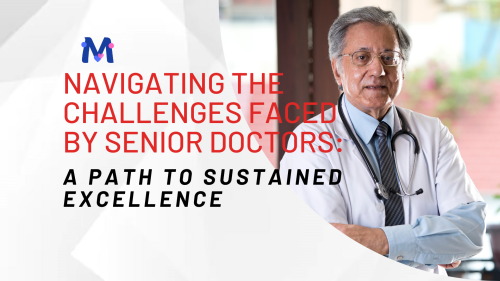
As senior doctors, you stand at the pinnacle of your careers, armed with vast experience, profound knowledge, and invaluable skills. However, this stage also brings a unique set of challenges that can impact your professional satisfaction and personal well-being. This article delves into the issues senior doctors face and explores strategies to navigate these challenges while continuing to thrive in your practice.
The Evolving Healthcare Landscape
The healthcare industry is rapidly evolving, with new technologies, treatments, and regulatory changes emerging regularly. For senior doctors, keeping pace with these advancements can be both exciting and daunting. Balancing the integration of new practices with established methods requires continuous learning and adaptation.
Common Challenges for Senior Doctors
- Technological Advancements: The rise of electronic health records (EHRs), telemedicine, and AI-driven diagnostics presents a learning curve. Adapting to these technologies can be challenging, particularly when accustomed to traditional practices.
- Workload and Burnout: Despite years of experience, senior doctors are not immune to burnout. Long hours, administrative burdens, and the emotional toll of patient care can lead to exhaustion and decreased job satisfaction.
- Physical and Cognitive Demands: Aging can bring physical and cognitive changes that affect the ability to perform demanding tasks. This can lead to concerns about maintaining the high standards of care that patients expect.
- Retirement and Succession Planning: Planning for retirement involves not only financial considerations but also emotional readiness. Ensuring a smooth transition for patients and colleagues requires careful succession planning.
- Maintaining Relevance: As younger generations of doctors bring fresh perspectives and skills, senior doctors may feel the pressure to stay relevant and respected in a changing landscape.
Strategies for Sustained Success
- Embrace Lifelong Learning: Continuous education is key to staying current with medical advancements. Attend workshops, conferences, and online courses to enhance your skills and knowledge. Engaging with younger colleagues can also provide insights into new technologies and practices.
- Adopt Technology Gradually: Start with small steps when integrating new technologies into your practice. Seek support from tech-savvy colleagues or attend training sessions to build confidence and competence with digital tools.
- Prioritize Self-Care: Take proactive steps to manage stress and prevent burnout. Regular exercise, mindfulness practices, and hobbies can contribute to physical and mental well-being. Consider reducing your workload or adjusting your schedule to maintain a healthier work-life balance.
- Foster Collaboration: Mentorship and collaboration with younger doctors can be mutually beneficial. Share your expertise while learning from their technological proficiency and innovative approaches. This fosters a supportive work environment and enhances patient care.
- Plan for the Future: Start retirement and succession planning early. Engage in open discussions with colleagues and patients about your transition plans. Consider gradually reducing your hours or shifting to advisory roles to ease into retirement.
- Stay Engaged and Involved: Participate in professional organizations, committees, and community activities. Staying engaged in the medical community helps maintain a sense of purpose and connection.
- Seek Support and Counseling: Don’t hesitate to seek professional support if you’re experiencing burnout or struggling with retirement planning. Counseling and peer support groups can provide valuable guidance and emotional relief.
The Path Forward
Senior doctors play a crucial role in healthcare, offering wisdom and experience that are irreplaceable. By acknowledging and addressing the challenges unique to this stage of your career, you can continue to provide exceptional care while maintaining personal fulfillment.
Conclusion
Navigating the challenges faced by senior doctors requires a proactive approach, embracing change, and prioritizing well-being. Your dedication and resilience have shaped your career, and with the right strategies, you can continue to make a significant impact in the medical field.
Let’s celebrate the achievements and contributions of senior doctors, recognizing the unique value they bring to healthcare. By supporting one another and embracing the evolving landscape, senior doctors can thrive and inspire future generations. Your journey is a testament to the enduring commitment to excellence in medicine.

Women in medicine are breaking barriers, redefining the healthcare landscape, and bringing a compassionate, inclusive approach to patient care. Despite significant progress, female doctors continue to face unique challenges in their professional journeys. This article aims to celebrate the achievements of women in medicine, highlight the obstacles they overcome, and provide strategies for thriving in a demanding yet rewarding field.
Celebrating the Achievements
Women have made remarkable strides in the medical profession. From pioneering researchers to dedicated clinicians, female doctors are leading advancements in medical science and patient care. Their contributions are transforming healthcare, improving patient outcomes, and inspiring the next generation of medical professionals.
Unique Challenges Faced by Female Doctors
Despite these achievements, female doctors often navigate a landscape filled with distinct challenges:
- Work-Life Balance: Balancing a demanding medical career with personal responsibilities can be particularly challenging. Many women juggle their roles as doctors, mothers, and caregivers, often facing societal expectations that add to their stress.
- Gender Bias and Discrimination: Gender bias remains prevalent in the medical field. Female doctors may encounter subtle or overt discrimination, affecting their career advancement and job satisfaction. This bias can manifest in various ways, from unequal pay to limited leadership opportunities.
- Imposter Syndrome: Many female doctors experience imposter syndrome, doubting their abilities and achievements despite their competence and success. This internal struggle can impact their confidence and career progression.
- Workplace Harassment: Harassment and inappropriate behavior in the workplace are significant issues. Female doctors may face harassment from colleagues, superiors, or patients, creating a hostile work environment.
- Underrepresentation in Leadership: Women are often underrepresented in leadership positions within medical institutions and professional organizations. This lack of representation can limit their influence and ability to drive systemic change.
Strategies for Thriving
To overcome these challenges and thrive in their careers, female doctors can employ several strategies:
- Seek Mentorship and Support Networks: Building a strong support network is crucial. Seek out mentors and colleagues who can provide guidance, encouragement, and advocacy. Joining professional organizations for women in medicine can also offer valuable resources and connections.
- Advocate for Yourself: Don’t hesitate to advocate for fair treatment, equal pay, and opportunities for advancement. Use your voice to challenge discrimination and bias, and support initiatives that promote gender equity in the workplace.
- Prioritize Self-Care: Taking care of your mental and physical well-being is essential. Make time for activities that rejuvenate you, whether it’s exercise, hobbies, or spending time with loved ones. Remember, self-care is not a luxury but a necessity for sustained success.
- Develop Leadership Skills: Pursue leadership development opportunities to enhance your skills and confidence. Leadership training programs, workshops, and courses can equip you with the tools needed to take on leadership roles and drive change within your organization.
- Address Imposter Syndrome: Recognize and combat imposter syndrome by acknowledging your achievements and capabilities. Celebrate your successes and remind yourself that you deserve your place in the medical field.
- Foster a Positive Work Environment: Advocate for policies and practices that promote a supportive and inclusive workplace. Encourage open dialogue about gender issues and support initiatives aimed at creating a safer, more equitable work environment.
The Road Ahead
The future of medicine is bright with the continued contributions of women. By addressing the unique challenges they face and implementing strategies to support their growth and well-being, we can create a more inclusive and equitable healthcare system. Female doctors are not just participants in this transformation—they are leaders, innovators, and trailblazers shaping the future of medicine.
Conclusion
Empowering women in medicine is not just about addressing challenges; it’s about recognizing and celebrating the incredible impact female doctors have on healthcare. By supporting one another, advocating for change, and prioritizing self-care, women in medicine can continue to thrive and inspire future generations.
Together, let’s build a healthcare environment where female doctors can flourish, lead, and transform the landscape of medicine. The journey is challenging, but the rewards are profound. Here’s to the remarkable women in medicine—your dedication, resilience, and excellence are the heartbeat of healthcare.

Burnout among healthcare professionals is an issue that has garnered increasing attention in recent years. This silent epidemic not only affects the well-being of doctors, nurses, and other medical staff but also impacts patient care and the overall efficiency of healthcare systems. Let’s delve into the causes of burnout, its consequences, and strategies to combat this pressing issue.
Understanding Burnout
Burnout is a state of emotional, physical, and mental exhaustion caused by prolonged stress and overwork. It manifests as feelings of cynicism, detachment, and a reduced sense of accomplishment. According to a study published in the Journal of the American Medical Association (JAMA), over 40% of physicians experience burnout symptoms, a number that is alarmingly high and continues to rise.
Causes of Burnout in Healthcare
Several factors contribute to burnout in the medical field:
- Workload and Long Hours: The demanding nature of healthcare often involves long shifts, frequent night duties, and the expectation to be available at all times. This relentless schedule leaves little time for rest and recovery.
- Administrative Burden: The increasing amount of paperwork and administrative tasks takes away valuable time that could be spent with patients, adding to the stress and reducing job satisfaction.
- Emotional Strain: Dealing with critically ill patients, delivering bad news, and experiencing patient loss takes a significant emotional toll on healthcare professionals.
- Lack of Autonomy: The pressure to follow strict guidelines and protocols can make doctors feel like they have little control over their practice, leading to frustration and burnout.
- Work-Life Imbalance: The demanding nature of the job often leads to a poor work-life balance, affecting personal relationships and overall quality of life.
Consequences of Burnout
Burnout has far-reaching consequences for both healthcare professionals and patients:
- Decreased Quality of Care: Burned-out doctors are more likely to make errors, have lower patient satisfaction scores, and struggle to provide empathetic care.
- Mental Health Issues: Burnout can lead to severe mental health problems, including depression, anxiety, and even suicidal thoughts. A study in Medscape revealed that the suicide rate among physicians is higher than that of the general population.
- High Turnover Rates: Burnout contributes to high turnover rates in healthcare, leading to staff shortages and increased pressure on remaining employees.
- Reduced Productivity: Chronic fatigue and lack of motivation result in decreased productivity and efficiency, impacting the overall functioning of healthcare institutions.
Combating Burnout: Strategies for Resilience
Addressing burnout requires a multifaceted approach that involves both systemic changes and personal strategies:
- Promote Work-Life Balance: Encouraging regular breaks, flexible scheduling, and adequate time off can help healthcare professionals recharge and maintain a healthier work-life balance.
- Streamline Administrative Tasks: Implementing efficient electronic health record systems and delegating administrative tasks can free up more time for patient care.
- Foster a Supportive Environment: Creating a supportive work culture where staff can discuss their challenges and seek help without stigma is crucial. Peer support programs and counseling services can make a significant difference.
- Provide Autonomy and Control: Allowing doctors more autonomy in their practice and involving them in decision-making processes can increase job satisfaction and reduce feelings of helplessness.
- Focus on Mental Health: Regular mental health check-ins, resilience training, and access to mental health resources are essential. Encouraging mindfulness practices and stress management techniques can also be beneficial.
- Leadership and Advocacy: Healthcare leaders must prioritize staff well-being and advocate for policies that address the root causes of burnout. This includes manageable workloads, fair compensation, and professional development opportunities.
The Road Ahead
Combating burnout is not just about improving the lives of healthcare professionals; it is about ensuring the sustainability and quality of our healthcare system. By acknowledging the severity of the issue and implementing comprehensive strategies, we can create a more resilient and compassionate healthcare environment.
Conclusion
Burnout in healthcare is a silent epidemic that demands immediate attention. As doctors, it is crucial to recognize the signs of burnout in ourselves and our colleagues and to take proactive steps towards creating a healthier work environment. Together, we can overcome this challenge and continue to provide the highest level of care to our patients.
Let’s prioritize our well-being as fiercely as we do our patients’. The future of healthcare depends on it.

Introduction: The world of genetics has experienced a revolutionary breakthrough with the advent of CRISPR-Cas9 technology. This groundbreaking gene-editing tool has the potential to transform medicine, agriculture, and biology by allowing scientists to precisely modify DNA. Let’s dive into the wonders of CRISPR and explore how it is reshaping the future of science and medicine.
Understanding CRISPR-Cas9: CRISPR, short for Clustered Regularly Interspaced Short Palindromic Repeats, is a natural defense mechanism found in bacteria. These sequences of DNA, along with the Cas9 enzyme, allow bacteria to recognize and cut viral DNA, providing immunity against future infections. Scientists have harnessed this system to create a powerful gene-editing tool. By designing a specific RNA sequence that matches a target DNA sequence, researchers can guide the Cas9 enzyme to cut the DNA at precise locations, enabling the addition, removal, or alteration of genetic material.
Medical Advancements with CRISPR:
- Curing Genetic Disorders: CRISPR holds the promise of curing genetic disorders by correcting mutations at the DNA level. Researchers are making strides in treating conditions such as cystic fibrosis, muscular dystrophy, and sickle cell anemia. Clinical trials are underway to test the safety and efficacy of these treatments in humans.
- Cancer Therapy: CRISPR is being used to develop new cancer therapies by editing the genes of immune cells to enhance their ability to target and destroy cancer cells. CAR-T cell therapy, for example, involves modifying T cells to better recognize and attack tumors.
- Infectious Disease Control: Scientists are exploring the use of CRISPR to combat infectious diseases. One exciting application is the development of gene drives to control mosquito populations and reduce the spread of malaria. Additionally, CRISPR is being studied for its potential to edit viral genomes and combat diseases like HIV.
Agricultural Innovations: CRISPR is revolutionizing agriculture by enabling the development of crops with improved traits. These include drought-resistant plants, enhanced nutritional content, and increased yield. By precisely editing the genes of crops, scientists can accelerate the process of developing new varieties that can better withstand environmental challenges and meet the growing demand for food.
Ethical Considerations and Challenges: While CRISPR offers immense potential, it also raises ethical and safety concerns. The possibility of unintended genetic changes, or off-target effects, is a significant challenge. Moreover, the ethical implications of editing human embryos, which could lead to heritable changes, are hotly debated. It is crucial to establish robust regulatory frameworks and ethical guidelines to ensure the responsible use of this technology.
The Future of CRISPR: The future of CRISPR is incredibly promising. Ongoing research aims to improve the precision and efficiency of gene editing, reducing the risk of off-target effects. Scientists are also exploring new CRISPR-based technologies, such as CRISPR-Cas13 for RNA editing and base editing, which allows for precise changes to individual DNA bases without cutting the DNA strand.
Expert Insights: Dr. Jennifer Doudna, one of the pioneers of CRISPR technology, shares her excitement: “CRISPR-Cas9 has opened up a new frontier in biology and medicine. The ability to edit genes with such precision is transforming our understanding of genetics and offering new avenues for treating diseases that were once thought incurable.”
Patient Stories: Meet Emma, a young girl with sickle cell anemia who has undergone a groundbreaking CRISPR therapy. “For the first time, I feel hopeful about my future. The treatment has given me a chance at a normal life,” Emma shares. Her story is a testament to the life-changing potential of gene editing.
Conclusion: CRISPR-Cas9 is revolutionizing science and medicine by providing a precise, efficient, and versatile tool for gene editing. From curing genetic disorders to advancing cancer therapy and improving agriculture, the potential applications are vast and transformative. As we navigate the ethical and safety challenges, the future of CRISPR holds the promise of a new era in biology, where genetic diseases can be cured, and the boundaries of human potential are expanded.
Further Reading:
- CRISPR Technology: The Future of Genetic Engineering - Nature
- CRISPR-Cas9: Gene Editing and Beyond - Scientific American
- The Ethics of CRISPR and Genetic Editing - National Institutes of Health (NIH)
- Advancements in CRISPR for Cancer Therapy - National Cancer Institute
- CRISPR in Agriculture: Innovations and Challenges - Frontiers in Plant Science

Introduction: Telemedicine, once a futuristic concept, has become an integral part of modern healthcare, especially in the wake of the COVID-19 pandemic. This revolutionary approach allows patients to receive medical care remotely, breaking down barriers to access and transforming the patient-doctor relationship. Let's explore how telemedicine is reshaping healthcare delivery and what this means for the future.
What is Telemedicine? Telemedicine involves the use of telecommunications technology to provide healthcare services remotely. This can range from video consultations and remote monitoring to digital diagnostics and electronic prescriptions. By leveraging technology, telemedicine enables healthcare providers to reach patients wherever they are, offering convenience, efficiency, and improved access to care.
The Boom During the Pandemic: The COVID-19 pandemic accelerated the adoption of telemedicine as lockdowns and social distancing measures made traditional in-person visits challenging. Telehealth platforms saw a surge in usage, with millions of patients and providers making the switch. This rapid shift demonstrated the feasibility and benefits of remote healthcare, setting the stage for its continued growth.
Benefits of Telemedicine:
- Accessibility: Telemedicine eliminates geographical barriers, providing access to healthcare for patients in remote or underserved areas.
- Convenience: Patients can consult with their doctors from the comfort of their homes, reducing the need for travel and waiting times.
- Efficiency: Remote consultations can streamline the healthcare process, allowing for quicker diagnosis and treatment.
- Cost-Effectiveness: Telemedicine can reduce healthcare costs by minimizing hospital visits and utilizing resources more efficiently.
- Improved Monitoring: Remote monitoring devices allow for continuous patient observation, improving the management of chronic conditions.
Challenges and Considerations: While telemedicine offers numerous advantages, it also presents challenges. Ensuring patient privacy and data security is paramount. Additionally, not all medical conditions can be effectively addressed through telemedicine, and some patients may lack access to the necessary technology or internet connectivity. Healthcare providers must also adapt to new workflows and technologies.
The Role of Technology: Advancements in technology are central to the success of telemedicine. High-speed internet, smartphones, and wearable health devices are crucial components. Innovations like AI-driven diagnostic tools and virtual reality for remote physical therapy are expanding the possibilities of telehealth, making it more comprehensive and effective.
Regulatory and Insurance Landscape: The regulatory environment is evolving to accommodate telemedicine. Many countries have introduced or modified laws to facilitate telehealth services, ensuring they are safe and effective. Insurance companies are also increasingly covering telemedicine consultations, recognizing their value in modern healthcare delivery.
Expert Insights: Dr. Emily Thompson, a telemedicine specialist, shares her thoughts: "Telemedicine is a game-changer in healthcare. It not only makes care more accessible but also enhances the patient experience. We are witnessing the beginning of a new era in medical care."
Patient Stories: Telemedicine has had a profound impact on patients' lives. Take John, a diabetic patient living in a rural area. With limited access to healthcare, managing his condition was a challenge. Through telemedicine, John can now regularly consult with his endocrinologist and monitor his blood sugar levels remotely, significantly improving his health outcomes.
The Future of Telemedicine: The future of telemedicine looks promising, with continued advancements in technology and increased acceptance by both patients and providers. We can expect more sophisticated telehealth platforms, integration with electronic health records (EHRs), and enhanced capabilities for remote diagnostics and treatment. Telemedicine is set to become a standard component of healthcare, complementing traditional in-person visits and expanding the reach of medical services.
Conclusion: Telemedicine is revolutionizing healthcare delivery, making it more accessible, efficient, and patient-centered. As technology continues to evolve, so too will the capabilities of telemedicine, offering new opportunities to improve health outcomes and transform the patient experience. Embracing this change is essential for the future of healthcare, ensuring that quality care is within reach for everyone, regardless of location.
Further Reading:
- Telemedicine: Opportunities and Developments in Member States - World Health Organization
- Telehealth: A quarter-trillion-dollar post-COVID-19 reality? - McKinsey & Company
- The Impact of Telemedicine on Healthcare - National Center for Biotechnology Information (NCBI)
- Telemedicine for chronic disease management: Using technology to transform care - Health Affairs
- Artificial Intelligence in Telemedicine: A Case Study - National Center for Biotechnology Information (NCBI)

Introduction: In the ever-evolving landscape of cancer treatment, CAR-T cell therapy has emerged as a beacon of hope, revolutionizing how we approach some of the most challenging cases. This cutting-edge therapy, which involves genetically modifying a patient's own T cells to better target and destroy cancer cells, has shown remarkable success in treating certain types of cancers. Let's delve into the world of CAR-T cell therapy and explore how it is changing lives.
Understanding CAR-T Cell Therapy: CAR-T cell therapy, or Chimeric Antigen Receptor T-cell therapy, is a groundbreaking treatment that leverages the body’s immune system to fight cancer. The process begins with extracting T cells from a patient's blood. These cells are then genetically engineered in a laboratory to produce special receptors on their surface called chimeric antigen receptors (CARs). These CARs enable the T cells to recognize and attach to a specific protein found on the surface of cancer cells. Once these engineered T cells are infused back into the patient’s body, they seek out and destroy cancer cells with precision.
Breakthroughs and Success Stories: The success stories of CAR-T cell therapy are nothing short of miraculous. In 2017, the FDA approved the first CAR-T cell therapy for certain types of leukemia and lymphoma. Since then, numerous clinical trials have shown impressive remission rates. For instance, a recent study reported that more than 80% of children and young adults with relapsed or refractory acute lymphoblastic leukemia (ALL) achieved complete remission after receiving CAR-T cell therapy. These extraordinary results are transforming lives and offering new hope to patients and their families.
Types of Cancers Treated: Initially, CAR-T cell therapy showed promise primarily in treating blood cancers like leukemia and lymphoma. However, ongoing research is expanding its potential applications to other types of cancers, including multiple myeloma and even some solid tumors. This expansion holds the promise of making CAR-T cell therapy a versatile weapon in the oncologist’s arsenal.
The Future of CAR-T: The future of CAR-T cell therapy looks incredibly promising. Researchers are working tirelessly to refine the technology, making it more effective and accessible. Efforts are underway to address the high costs and complex manufacturing processes associated with CAR-T cell therapy. Moreover, scientists are exploring ways to minimize side effects and enhance the therapy’s efficacy against a broader range of cancers.
Challenges and Considerations: Despite its remarkable success, CAR-T cell therapy is not without challenges. The high cost of treatment, which can exceed several hundred thousand dollars, poses a significant barrier. Additionally, the manufacturing process is complex and time-consuming. Side effects, such as cytokine release syndrome (CRS) and neurological toxicities, need to be carefully managed. Researchers and clinicians are continuously working to overcome these hurdles to make CAR-T cell therapy safer and more accessible.
Expert Insights: Leading oncologists and researchers are optimistic about the potential of CAR-T cell therapy. Dr. John Smith, a renowned oncologist, says, "CAR-T cell therapy represents one of the most exciting advancements in cancer treatment. The ability to reprogram a patient’s immune cells to fight cancer is a game-changer. We are just beginning to scratch the surface of its potential."
Patient Perspective: The real impact of CAR-T cell therapy can be seen through the eyes of the patients. Sarah, a young mother diagnosed with refractory lymphoma, shared her journey: "CAR-T cell therapy gave me a second chance at life. After exhausting all other treatment options, I was given hope and the opportunity to watch my children grow up."
Conclusion: CAR-T cell therapy is revolutionizing the field of oncology, offering new hope to patients with previously untreatable cancers. Its success stories and ongoing research underscore its transformative potential. As we continue to refine this therapy, the future of cancer treatment looks brighter than ever, bringing hope and healing to countless lives.
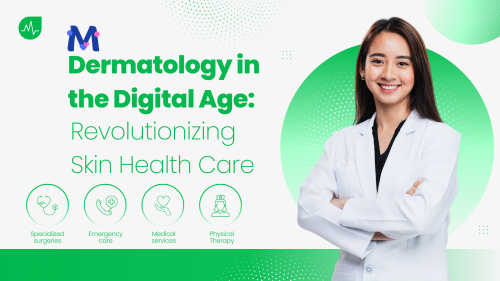
Dermatology, the branch of medicine focused on the skin, hair, and nails, is inherently visual and dynamic, making it uniquely positioned to benefit from digital innovations. Dermatologists tackle a diverse range of conditions, from common acne and eczema to complex autoimmune diseases and skin cancers. The advent of digital technology has dramatically transformed the field, enhancing diagnostic accuracy, treatment modalities, and patient engagement.
The Evolving Landscape of Dermatology
The practice of dermatology requires not only a deep understanding of numerous conditions but also an ability to adapt to new treatments and technologies. With skin diseases affecting people of all ages and backgrounds, dermatologists are on the front lines of providing care that significantly impacts patients' quality of life. Staying abreast of the latest advancements and research in skin health is paramount.
Digital Innovation Enhancing Dermatological Care
Several key digital advancements have reshaped the practice of dermatology:
- Teledermatology: This has emerged as a powerful tool, enabling remote consultations and assessments. Patients can receive timely advice and diagnoses through the submission of high-resolution images, making dermatological care more accessible, especially in underserved areas.
- Digital Imaging and Diagnostics: Advanced imaging technologies, including dermatoscopy and confocal microscopy, are facilitated by digital tools, allowing for enhanced visualization of skin conditions. These technologies improve the accuracy of diagnoses and the monitoring of treatment progress.
- Online Continuing Medical Education (CME): Dermatologists have access to a plethora of online resources for CME, keeping them updated on the latest clinical guidelines, treatment innovations, and research findings in dermatology.
- Patient Education and Management: Digital platforms offer educational resources for patients, helping them understand their conditions and treatments. Additionally, apps for disease monitoring and medication reminders support patient compliance and treatment efficacy.
SEO Strategy for Dermatology Content
Incorporating SEO-friendly keywords such as "digital tools in dermatology," "teledermatology services," and "skin health advancements" ensures that the content reaches both dermatology professionals seeking to enhance their practice and patients looking for the latest in skin care treatment.
The Future of Dermatology: Embracing Digital Technologies
The integration of digital technologies into dermatological practice promises a future where skin care is more personalized, accessible, and efficient. As these digital tools continue to evolve, they will further empower dermatologists to provide exceptional care, improve patient outcomes, and advance the field of dermatology.
Conclusion: The Digital Revolution in Dermatology
The digital age has brought about significant changes in how dermatological care is delivered and received. By embracing these innovations, dermatologists can enhance their diagnostic capabilities, improve treatment outcomes, and foster better patient engagement. As the field continues to evolve, the ongoing adoption and integration of digital technologies will remain crucial in advancing dermatological care and ensuring patients around the world receive the best possible treatment for their skin conditions.