
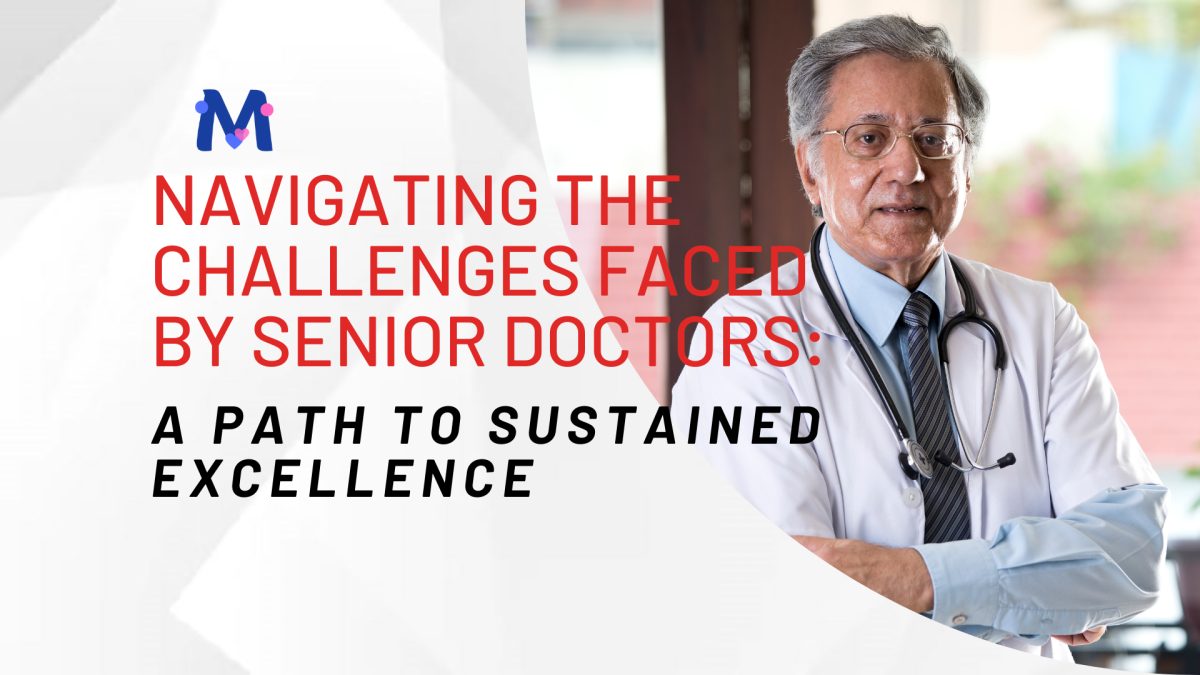
As senior doctors, you stand at the pinnacle of your careers, armed with vast experience, profound knowledge, and invaluable skills. However, this stage also brings a unique set of challenges that can impact your professional satisfaction and personal well-being. This article delves into the issues senior doctors face and explores strategies to navigate these challenges while continuing to thrive in your practice.
The Evolving Healthcare Landscape
The healthcare industry is rapidly evolving, with new technologies, treatments, and regulatory changes emerging regularly. For senior doctors, keeping pace with these advancements can be both exciting and daunting. Balancing the integration of new practices with established methods requires continuous learning and adaptation.
Common Challenges for Senior Doctors
- Technological Advancements: The rise of electronic health records (EHRs), telemedicine, and AI-driven diagnostics presents a learning curve. Adapting to these technologies can be challenging, particularly when accustomed to traditional practices.
- Workload and Burnout: Despite years of experience, senior doctors are not immune to burnout. Long hours, administrative burdens, and the emotional toll of patient care can lead to exhaustion and decreased job satisfaction.
- Physical and Cognitive Demands: Aging can bring physical and cognitive changes that affect the ability to perform demanding tasks. This can lead to concerns about maintaining the high standards of care that patients expect.
- Retirement and Succession Planning: Planning for retirement involves not only financial considerations but also emotional readiness. Ensuring a smooth transition for patients and colleagues requires careful succession planning.
- Maintaining Relevance: As younger generations of doctors bring fresh perspectives and skills, senior doctors may feel the pressure to stay relevant and respected in a changing landscape.
Strategies for Sustained Success
- Embrace Lifelong Learning: Continuous education is key to staying current with medical advancements. Attend workshops, conferences, and online courses to enhance your skills and knowledge. Engaging with younger colleagues can also provide insights into new technologies and practices.
- Adopt Technology Gradually: Start with small steps when integrating new technologies into your practice. Seek support from tech-savvy colleagues or attend training sessions to build confidence and competence with digital tools.
- Prioritize Self-Care: Take proactive steps to manage stress and prevent burnout. Regular exercise, mindfulness practices, and hobbies can contribute to physical and mental well-being. Consider reducing your workload or adjusting your schedule to maintain a healthier work-life balance.
- Foster Collaboration: Mentorship and collaboration with younger doctors can be mutually beneficial. Share your expertise while learning from their technological proficiency and innovative approaches. This fosters a supportive work environment and enhances patient care.
- Plan for the Future: Start retirement and succession planning early. Engage in open discussions with colleagues and patients about your transition plans. Consider gradually reducing your hours or shifting to advisory roles to ease into retirement.
- Stay Engaged and Involved: Participate in professional organizations, committees, and community activities. Staying engaged in the medical community helps maintain a sense of purpose and connection.
- Seek Support and Counseling: Don’t hesitate to seek professional support if you’re experiencing burnout or struggling with retirement planning. Counseling and peer support groups can provide valuable guidance and emotional relief.
The Path Forward
Senior doctors play a crucial role in healthcare, offering wisdom and experience that are irreplaceable. By acknowledging and addressing the challenges unique to this stage of your career, you can continue to provide exceptional care while maintaining personal fulfillment.
Conclusion
Navigating the challenges faced by senior doctors requires a proactive approach, embracing change, and prioritizing well-being. Your dedication and resilience have shaped your career, and with the right strategies, you can continue to make a significant impact in the medical field.
Let’s celebrate the achievements and contributions of senior doctors, recognizing the unique value they bring to healthcare. By supporting one another and embracing the evolving landscape, senior doctors can thrive and inspire future generations. Your journey is a testament to the enduring commitment to excellence in medicine.