
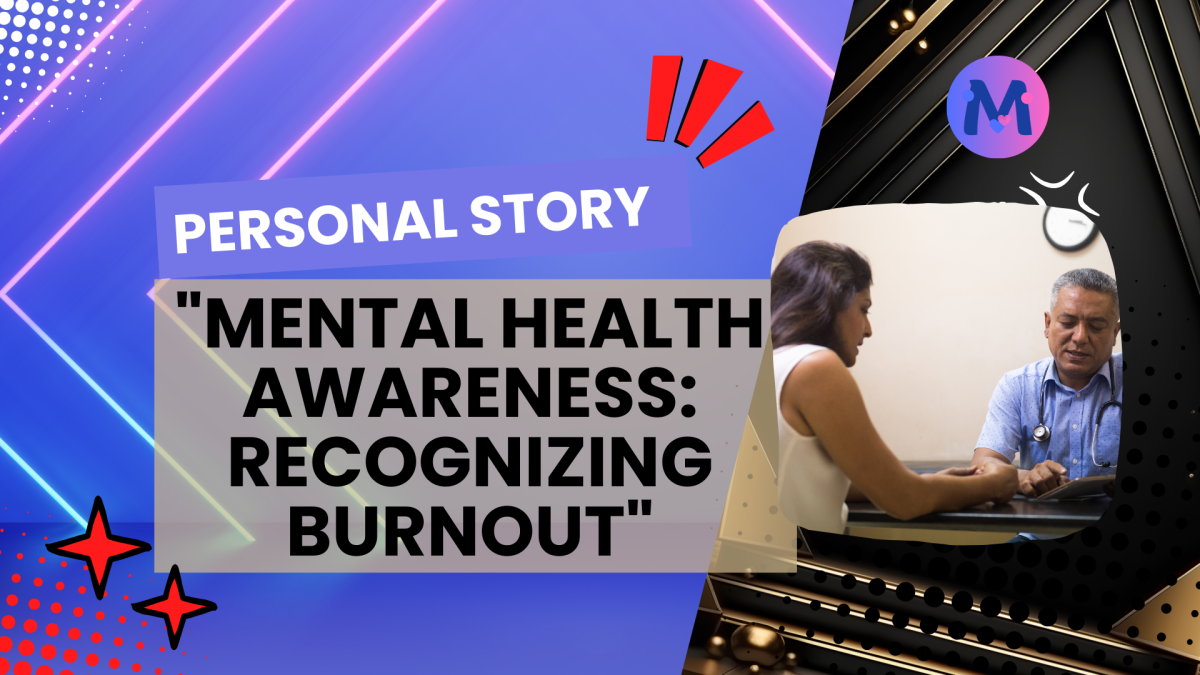
Burnout is a significant concern among healthcare professionals, characterized by emotional exhaustion, depersonalization, and a sense of reduced personal accomplishment. It can negatively impact both personal well-being and patient care. Recognizing the signs of burnout and taking proactive steps to address it is essential for maintaining health and job satisfaction.
Signs of Burnout
Emotional Exhaustion
Chronic Fatigue: Feeling physically and emotionally drained, even after rest.
Irritability: Increased irritability and impatience with colleagues and patients.
Cynicism: Developing a negative or detached attitude towards work.
Depersonalization
Reduced Empathy: Feeling disconnected from patients and colleagues.
Isolation: Withdrawing from social interactions and support networks.
Impersonal Treatment: Treating patients and coworkers as objects rather than individuals.
Reduced Personal Accomplishment
Low Motivation: Decreased enthusiasm for work and difficulty in finding meaning in daily tasks.
Poor Performance: Decline in productivity and work quality.
Self-Doubt: Increased feelings of inadequacy and self-doubt.
Causes of Burnout
· Workload: High demands, long hours, and lack of control over the work environment.
· Emotional Strain: Frequent exposure to trauma, suffering, and difficult patient interactions.
· Lack of Support: Inadequate support from colleagues, supervisors, and organizational structures.
· Work-Life Imbalance: Difficulty balancing professional responsibilities with personal life.
Strategies to Prevent and Address Burnout
Self-Care Practices
o Physical Activity: Regular exercise to reduce stress and improve physical health.
o Healthy Diet: Balanced nutrition to support overall well-being.
o Adequate Sleep: Prioritize sleep to ensure rest and recovery.
Mindfulness and Relaxation Techniques
o Meditation: Practice mindfulness meditation to increase awareness and reduce stress.
o Deep Breathing: Use deep breathing exercises to calm the mind and body.
o Relaxation Techniques: Incorporate yoga, tai chi, or other relaxation practices into your routine.
Professional Support
o Counseling: Seek professional counseling or therapy to address emotional challenges.
o Support Groups: Join support groups for healthcare professionals to share experiences and strategies.
o Mentorship: Find a mentor who can provide guidance, support, and encouragement.
Workplace Strategies
o Workload Management: Advocate for reasonable workloads and adequate staffing levels.
o Professional Development: Engage in continuous learning and professional growth opportunities.
o Organizational Support: Encourage institutions to provide resources and programs to support employee well-being.
Work-Life Balance
o Set Boundaries: Establish clear boundaries between work and personal life.
o Time Management: Use effective time management strategies to prioritize tasks and reduce stress.
o Personal Time: Dedicate time for hobbies, relaxation, and spending with family and friends.
Conclusion
Recognizing and addressing burnout is critical for healthcare professionals to maintain their well-being and provide high-quality patient care. By understanding the signs of burnout and implementing self-care practices, seeking professional support, and advocating for supportive workplace environments, we can mitigate the impact of burnout and promote a healthier, more fulfilling professional life.
Tags:
#Burnout, #MentalHealth, #HealthcareProfessionals, #SelfCare, #WorkLifeBalance, #Support,